
20,000 rural deliveries attended by nurse-midwives
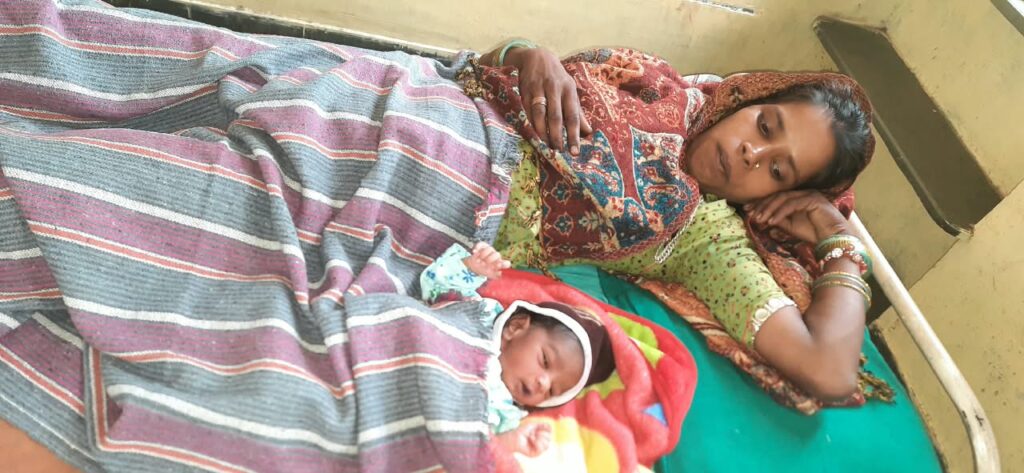
On 11 September, 2026, Rekha Kasota, a trained nurse-midwife posted at the ARTH Health Centre in Iswal village of Udaipur district commenced a night shift. At around 7pm, Dalu Gameti, a 30 year-old woman of the tribal community arrived at the facility from Ghodach village about 12 km away, accompanied by her husband and mother-in-law. Rekha examined and found her to be in labour. Rekha was assisted in the delivery room by a clinic attendant, while Dalu’s mother-in-law stood by as an observer. Dalu delivered a 2.5kg healthy girl at 8:24 pm. This was the 20,000th delivery at an ARTH Health Centre after the service commenced in November 1999. Action Research & Training for Health (ARTH), an Udaipur based public health organization, started with a small rented health facility in Kuncholi village of Rajsamand district when home deliveries were the norm and maternal mortality rate was as high as 670 per 100,000 live births (SRS 1998). We initiated a maternal and newborn health care programme with the following objectives: From the beginning, our health centres have been managed by trained nurse-midwives (qualified with a GNM diploma, BSc degree, occasionally ANM certificate) with training, supervision and support by visiting doctors on a regular basis. ARTH’s response to high maternal and neonatal mortality rates was to establish 24×7 health facilities in the rural interiors and providing induction training and leadership skills to nurse-midwives based on a field-tested, local-language adaptation of WHO IMPACC guidelines of the time. These were later aligned with Government of India guidelines for Skilled Birth Attendance that were first published in 2006. We additionally introduced a structured process to enable prompt referral of those with maternal – neonatal complications (referral protocols, 24×7 consultation with seniors, transport arrangements and a helpline worker at the government district hospital in Udaipur). Over the years, midwifery skills were strengthened as part of routine care of women and newborns. The above set of interventions forms the core of ARTH’s Basic Midwifery Model (BMM). The model depends on efficient recognition and early referral of those with complications – the 20,000 deliveries attended by nurse-midwives included 1608 (8%) that were referred to the government hospital. During 2025-26, the top 5 indications for referral included severe anaemia, fetal distress, prolonged labour, breech and leaking PV. After admission, the proactive, supportive role of doctors, nurse-midwives, staff and the blood bank at Udaipur’s government Zanana hospital has been greatly responsible for ensuring positive outcomes among those referred. It is relevant to note that the BMM emerged organically in an interior rural area as a response to high MMR and NMR, and not as a response to high rates of caesarean section in urban hospitals. Attaining this milestone of 20,000 deliveries has made 11 September a special day for the organisation, for it reflects the community’s trust in our services. When ARTH started work, a delivery would cost the family Rs300 (all inclusive). Even today, the all-inclusive cost of Rs2900 (Rs2200 for tribal communities) is nominal. We now have 3 rural health centres that function round the clock. Our senior nurse-midwives recall seeing women from multiple generations of the same family coming back to our centres for delivery care. Some travel distances of up to 30-50 km in order to access our services. We have gained their trust by remaining consistent – no matter who the person is providing care, quality has remained the same across locations and over the years. Regular service reviews, re-training and quality assurance have made this possible. As the saying goes – the journey of a thousand miles begins with one step. Little did we realise in 1999, that 28 years later, we would be crossing 20,000!
New research: moving beyond hygiene
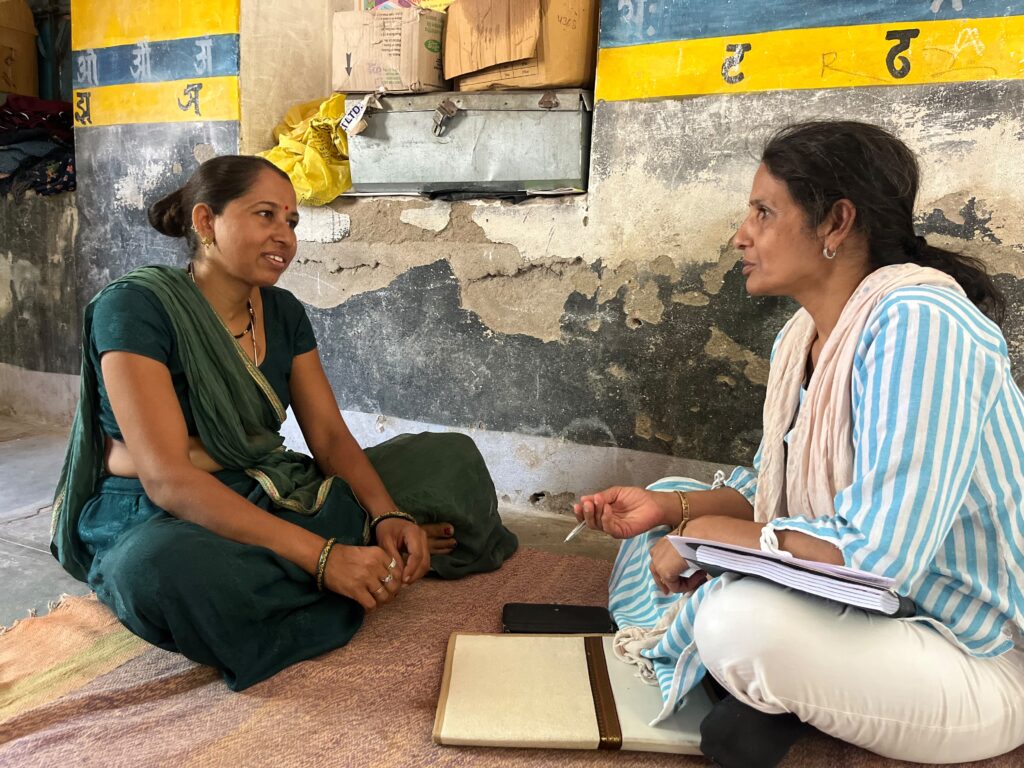
Adolescents’ and young women’s perceptions and care-seeking for menstrual disorders in rural Rajasthan Menstrual health initiatives have made important progress in addressing hygiene, access to menstrual products, water, sanitation and privacy. But what about the girl who suffers pain each month? Or a young woman experiencing heavy or irregular bleeding? When do they see these as problems that need attention and care, and who do they turn to? These questions are at the core of a qualitative study entitled “Moving Beyond Hygiene: adolescents’ and young women’s perceptions and care-seeking for menstrual disorders in rural Rajasthan” supported by a research grant from Azim Premji University. In the villages of Udaipur, we are exploring adolescent girls’ and young women’s experiences of menstrual problems, how they understand normal vs abnormal periods, how they cope with difficult periods, whom they consult, and where they seek care. We are also speaking with those who are often their first point of contact – mothers, teachers, ASHAs, ANMs, anganwadi workers and ARTH’s Community Health Entrepreneurs, to understand how they recognise and respond to menstrual problems. Through this study, we hope to better understand the experiences, choices and challenges that shape how girls and young women respond to menstrual problems, and what options could be developed, to support them at the community and primary-care levels. We look forward to sharing findings within a few months.
What do I do with this rope?
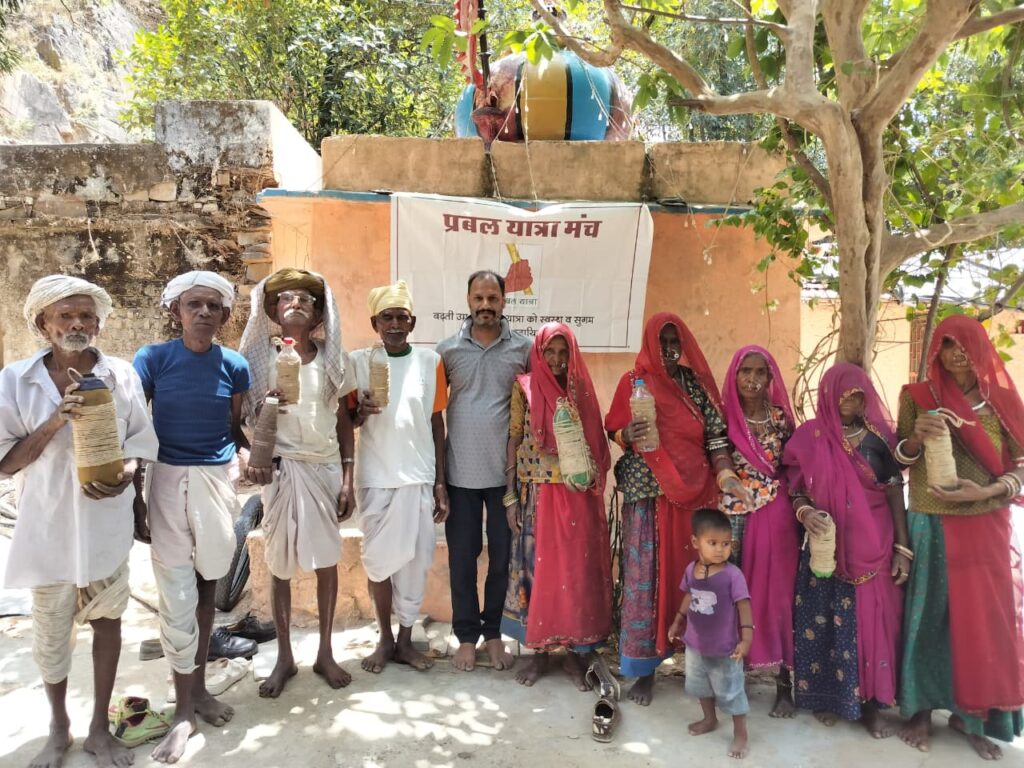
At a meeting of the “Prabal Yatra Manch”, a mutual support platform of older persons in a village of Rajsamand district in Rajasthan, block supervisor Inder had asked everyone to bring along the plastic bottles they had at home. Once everyone was at the meeting, he handed each a roll of slim rope to tie around the bottle. They looked at him and each other in confusion. He then showed them his own bottle wrapped in rope, with the water remaining cold even after being in the heat for several hours. Wrapping the rope had kept the water cold. He then demonstrated how to tie rope around the bottle, so that it stays in place. The assembled older persons slowly started wrapping their bottles, realising they should have brought bigger bottles to wrap the rope on! Inder then brought out a needle and thread, to tighten the ends. Once the rope is wet, it doesn’t dry out for many hours, keeping the water cool. This is especially useful in a place where most people don’t own a refrigerator and have to work outside for long hours, be it for farming, wage labour or tending to cattle. It also pushes them to concentrate and use their fine motor skills thereby preserving neuromuscular function, as they age. For more information on ARTH’s work on healthy ageing, please contact: ssinha@ccr.arth.in
Healthy aging in rural India
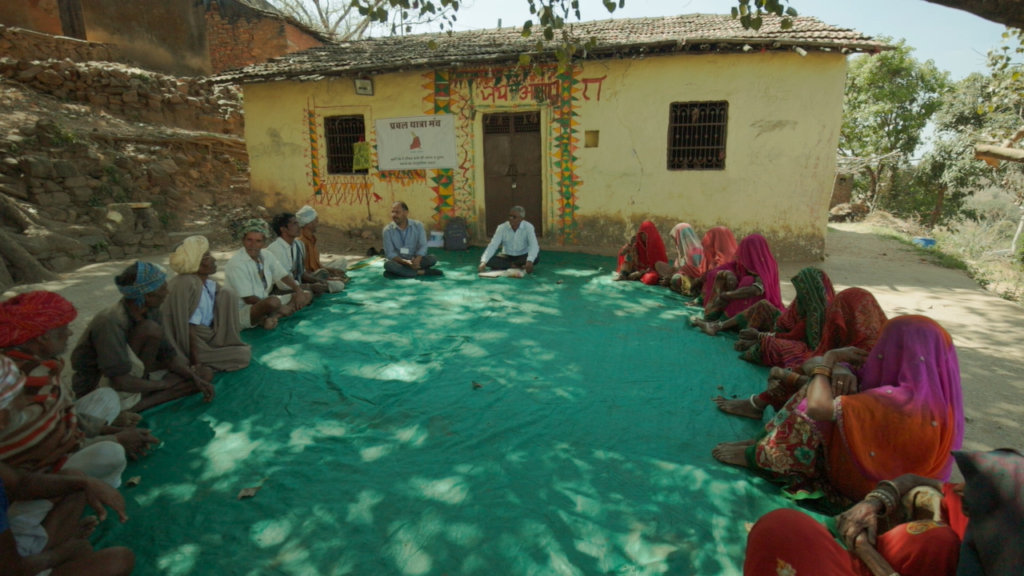
Action Research and Training for Health (ARTH) has evolved a community-based healthy aging model in 100 villages of Rajasthan, called Prabal Yatra (Journey of Strength). The model has adapted WHO’s Integrated Care for Older People (ICOPE) framework, by supporting older persons to preserve six intrinsic capacities – mobility, nutrition, vision, hearing, cognition and mood. Village-level mutual support groups bring older persons together for group activities; ARTH’s field team conducts health and home safety assessments and supports access to medical care. Till date, the programme has reached over 13,000 older persons, with more than 6,000 receiving health and home safety assessments with a personalised health plan and steps to prevent falls. A short video on the programme is available here. For more information, contact us at arth@arth.in .
A champion of healthy ageing
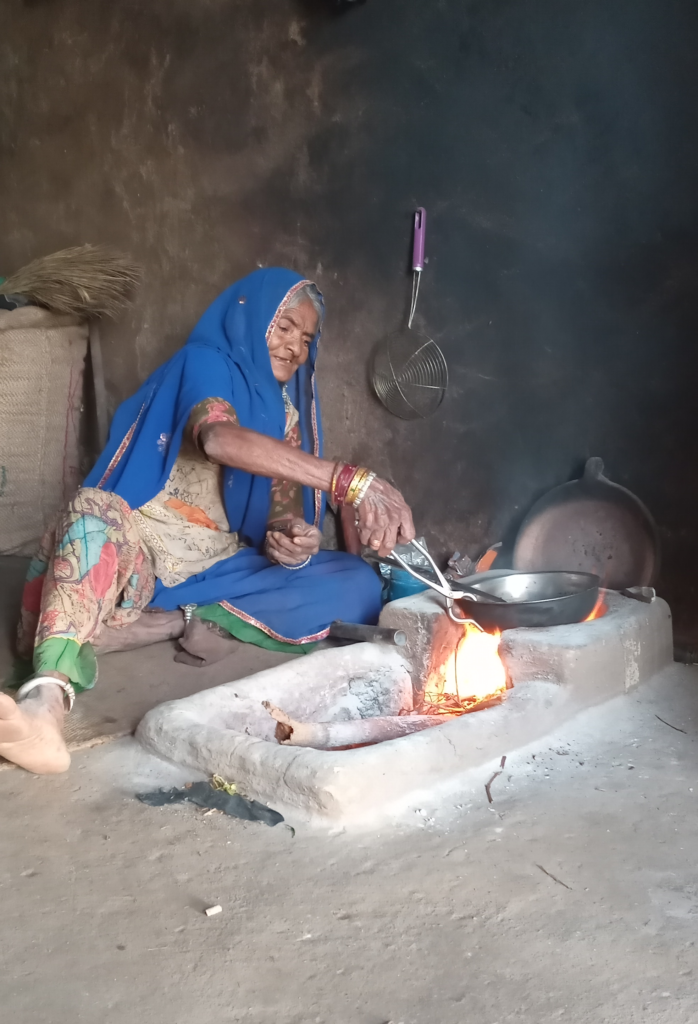
This is the story of Mangli Bai who lives with her son and daughter-in-law in Sandukon ka Guda village in Rajsamand district of Rajasthan. At the age of 72, she moves freely around the village, chatting with those she meets, bringing a smile to their faces with her frequent anecdotes. She is an active member of her village’s Prabal Yatra Manch (PYM), a mutual support platform of older persons. She attends all its meetings and participates actively while motivating others to do the same. Mangli learned basic yoga and exercises while attending PYM meetings, which she now practices each morning soon after waking up. As part of an intervention on healthy ageing, Dola Ram Gameti, ARTH’s field worker, visited her to conduct a home-safety assessment. He advised her to buy tongs to hold hot utensils after cooking, to prevent burns. On his next visit, he found Mangli using the tongs while cooking – they had cost her Rs 100. He additionally conducted a health assessment based on WHO’s Integrated Care for Older Persons (ICOPE) approach and found deficits in her mobility, vision, nutrition and surprisingly, mood. Mangli shared that she often feels sad and doesn’t feel like doing anything. To improve her vision, ARTH supported her to get cataract surgeries at Alakh Nayan Eye hospital in Udaipur. For nutrition, field worker Dola Ram arranged materials to build a raised-bed garden behind her house, where she now grows vegetables to supplement her diet. To improve her mobility he demonstrated exercises and gave a her a walking stick. And to improve her mood, he advised her to attend every single meeting of older persons and to share more with her family and those around her. Dola Ram also gave her son and daughter-in-law an update on Mangli’s health. Speaking to Mangli Bai, I realised that she understands the importance of being healthy, of not ignoring health issues and getting appropriate care. Hundreds more like Mangli Bai are currently a part of the Prabal Yatra Manch, taking small but useful steps to care for themselves and improve their lives. The road to healthy ageing in low-resource, rural settings looks rather long, but it is not necessarily bumpy. – Snehal Sinha (ssinha@ccr.arth.in), Dola Ram Bhil (Community Health Worker)
Unseen layers of postpartum care…
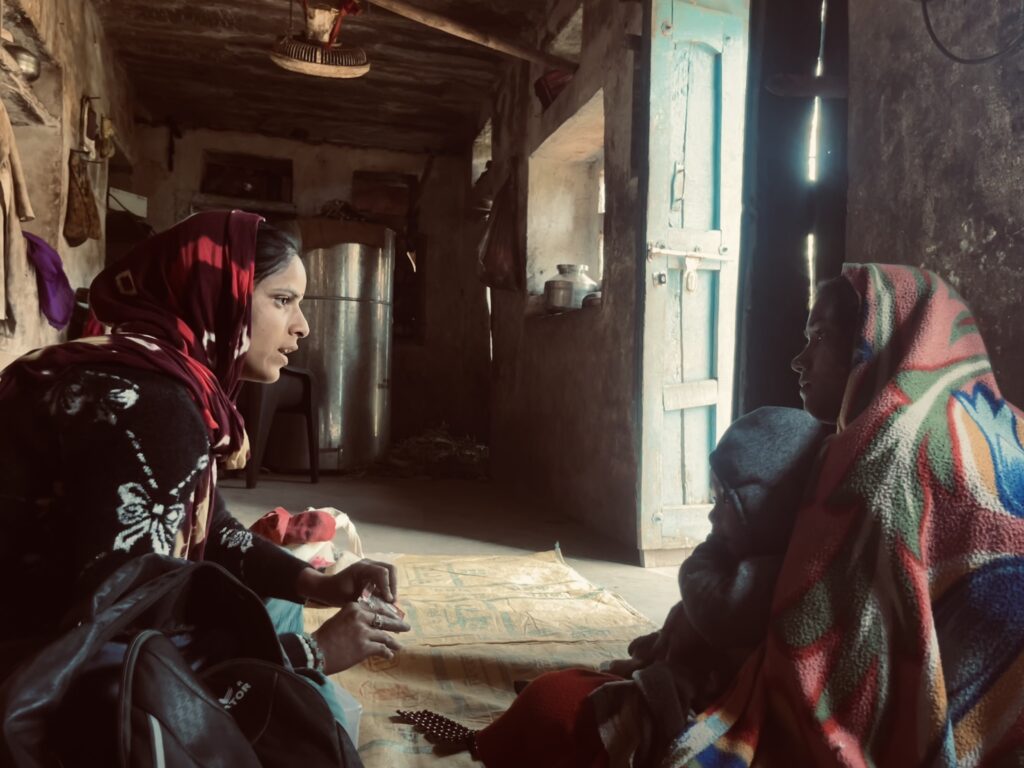
During a field visit to a village in southern Rajasthan as part of the Navneet intervention which focuses on maternal-infant health care during the first year after delivery, we met 22-year old Jamna. She had recently delivered after a difficult first pregnancy. Having faced repeated episodes of violence from her husband, she had abruptly left her marital home and returned to her parental village. While leaving hurriedly, she was unable to collect all essential belongings, including her Aadhar card. When later she went into labour, her (natal) family took her to the nearest government health facility. At that point, the absence of her Aadhar card became critical – without it, she was not given admission and the family was advised to seek care elsewhere. During the ensuing confusion, her labour progressed. While she and her family were on their way back home, she delivered in the vehicle. The newborn luckily survived. Jamna, however, was left physically and emotionally traumatized. When we met her during a home visit 3 months later, anxiety was writ on her face. She kept repeating, “Manne pehla hi khabar hoti ke aadhaar saath ni ho to atro nuksaan hove, toh muh kadi vi aadhaar chodva ni aati. Pachhe jaa ne aadhaar leva ma, mane naro darr laage” (Had I known the consequences of not having my Aadhaar card , I would not have left it behind. But I don’t feel safe going back to collect it). In the weeks after childbirth, Jamna continued to struggle. Although she had returned to her parental home, she felt that she did not belong there. With household chores to complete and past events having scarred her mind, she felt tired, worried and lonely. In listening to Jamna’s story, we could see two issues unravelling together. One was about digitisation for accessing health services. Local newspapers have reported instances in which women without Aadhar cards were unable to access health care. Although digitisation is meant to simplify processes, documents can be lost, left behind, or never made, especially among marginalized communities. We need to ensure that essential health services can be provided even in the absence of such document. The other issue is that of gender-based violence. Jamna’s experience is not an isolated one — India’s fifth National Family Health Survey (2019-21) reported that 32% of ever-married women aged 15–49 have experienced spousal violence at least once (1). A comprehensive 2023 review of intimate partner violence during pregnancy by Agarwal et al highlights that such violence is associated with lasting psychological and physical health challenges for women, increasing vulnerability during labour and the postpartum period. Persistent maternal distress and compromised well-being can affect care-giving, attachment and the child’s developmental environment, contributing to emotional, behavioural, and developmental challenges over time (2). Jamna’s experience has been a learning experience for us. Going forward, we are exploring support options (legal-aid and protection) for women facing violence. The Navneet intervention currently offers home visits and phone calls by trained, empathetic persons who check in, listen and understand how women are managing their lives and health, while offering supplements, support and connections to primary care. Supporting the referral of those facing violence or mental health issues to specific care-giving institutions would be the logical next step. – Meera Gameti (Community Health Counselor), Himani Sharma (Programme Associate, pa.hs@arth.in) References: 1. https://dhsprogram.com/pubs/pdf/FR375/FR375.pdf 2. https://doi.org/10.7759/cureus.39262
Self-care helps older persons to regain mobility

Seventy five year old Pyari Gameti, lived with family in a small mud and cement house in Majawari village of southern Rajasthan. She received a monthly government pension and would walk to the local PDS outlet to collect her 5 kg wheat allowance each month. A few months ago one day, she suddenly felt dizzy, vomited and then collapsed. Her son found that she had fever and immediately rushed her to a private hospital nearby, where she received treatment for a week. During this time she could not recognise her family members. A day after returning from the hospital, she lost sensation in her legs and could not walk. She had to drag herself on the floor to use the bathroom. After a few days, Rekha, Block Health Care Coordinator of ARTH’s programme for older persons, met her on a round of the village. She advised Pyari and her family members to apply hot compresses to her legs and slowly stretch them from time to time during the day. Pyari began to do this diligently, while sitting on her bed. She started to feel a change after 3-4 days – although her legs would barely move in the beginning, she was determined to get better and continued applying hot compresses and moving her legs as well as she could. Over the next two months, her legs began to stretch and she was able to rise up and stand, first with the support of a stick and then on her own. Rekha additionally conducted a home assessment to gauge the risk of falls and general convenience for an older person. She found that the flooring at entrance of the house was very uneven – this was later levelled by her family. With some more guidance and encouragement, Pyari was ultimately able to start walking slowly. Her story tells us that simple manoeuvres combined with will-power can enable an older person to mobilise after illness, thereby improving health outcomes without requiring complex facility-based visits for treatment. According to a study by Devi and co-workers, women engage in self-care practices more than men, but this tends to decrease in both, with advancing age1. With more of India’s population ageing due to demographic transition, health issues are increasingly expected to impact older persons. It is necessary to enable older persons to pursue a path of healthy ageing to prevent health issues in the first place, and to use appropriate self-care to recover from illness. A wellness focus on one’s health would eventually lead to fewer clinic visits and reduction in the cost of health care. – Snehal Sinha (ssinha@ccr.arth.in) 1Devi RS, Pandian S, et al. (May 15, 2025) Assessment of Self-Care in Promoting Healthy Aging Among the Elderly in Rural Areas of Kancheepuram, Tamil Nadu. Cureus 17(5): e84171. DOI 10.7759/cureus.84171
A gentler shade of support for maternal health
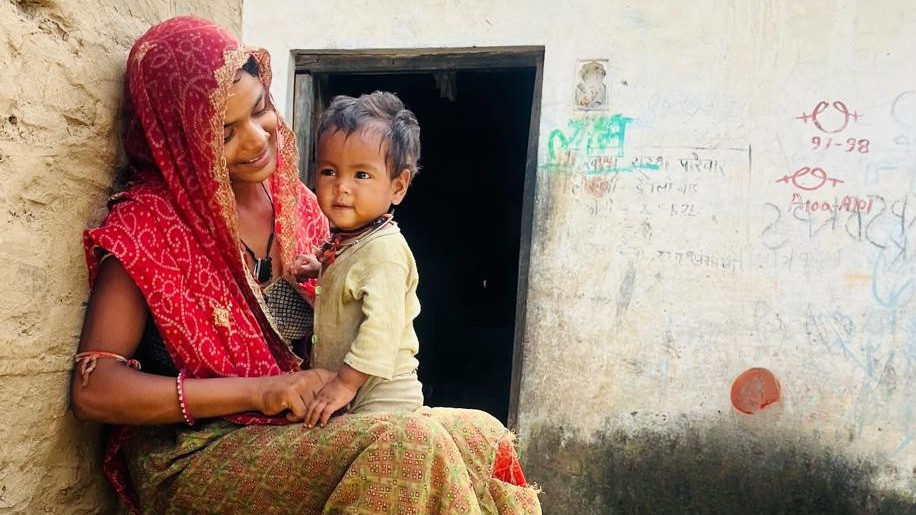
Over the past year, ARTH has implemented Navneet, a postpartum maternal-infant care intervention in rural-tribal villages of southern Rajasthan. During this time, our team has provided services to 3,252 women in the year after their delivery. On a field visit to Dhoya village, I met Jhamli, mother of four, who currently lives alone because her husband has migrated to the city for work. Jhamli feels exhausted by daily chores that stretch from morning to evening, while also caring for her newborn son. We have observed that in households in which the husband has migrated for work, the wife’s burden intensifies for almost everything, encompassing childcare, cooking, cleaning, fetching water and firewood, and tending to goats and cattle. In the same village, Rekha, who lives in a family of six, described a similar experience. She said that her daily routine leaves her exhausted – her arms and legs ache and she feels listless. A 2023 review of motherhood and mental health indicates that a sense of emotional and physical overload can evolve into anxiety and mood disturbances, which if unsupported, might tip women into postpartum depression (https://doi.org/10.7759/cureus.46209). Research shows that around 15-21% of women experience some form of postpartum mood and anxiety disorder (PMAD) (https://doi.org/10.1016/j.nurpra.2018.03.010). Against this backdrop, Preraks — trained outreach educators recruited from within the same communities, meet women at home during the year after delivery. On each visit, the Prerak engages in a friendly, informal conversation while discussing key aspects of maternal and infant health, such as nutrition, contraception, health concerns and immunization. She also encourages women to visit the clinic for a routine check-up by nurse-midwives or a doctor. While we were sitting outside her house, Rekha began talking about the Prerak’s recent visit. She smiled and said, “Didi (sister) came to check on how I was doing. Talking to her made my mind lighter”. Later that day, Jhamli shared, “my sisters-in-law got a sterilisation, but I was scared, so I didn’t get it done. When Didi (Prerak) explained about Mukti (hormonal IUD), I felt relieved. Next month, when my husband comes home, I will go to get Mukti”. Thus, Preraks build a relationship of trust, transforming into a friend who sincerely cares. For their part, Preraks see their role as going well beyond delivering information. One of them said, “Most women talk to me about family matters – about husband, mother-in-law, household, money, everything. They feel good that someone has come to meet them”. Another Prerak added that women often call them up later, if they have questions or need advice. Preraks are backed by counsellors of ARTH’s telephone helpline located at Udaipur, who speak the same dialect and provide additional guidance when women call. They also proactively schedule check-in calls to enrolled women. Although we might not be able to reduce the physical workload that women have to endure, we hope that by creating a trusted relationship through home‐visits and telephonic follow-up, the Navneet intervention will help to prevent postpartum depression (PPD). Simultaneously, addressing anaemia and debility, enabling contraceptive choice and treating infections also should help, by meeting the major health needs of this period. Recently, the World Health Organization has emphasized that maternal well-being depends on supportive care, strong social relationships, health care, and the ability to make decisions for oneself. Meanwhile, we are working to strengthen the circle of support around new mothers so that they may return to their daily routine and restore the relationship with their husbands, and are able to enjoy rather than merely endure motherhood. – Himani Sharma (pa.hs@arth.in)
Tackling undernutrition among older persons in rural Rajasthan

The Longitudinal Ageing Survey of India (LASI)1 reports that 26% of older persons (60+ years) in Rajasthan have a body mass index less than 18.5 – a sign that they are significantly underweight. We were curious to know the situation in our field area in tribal southern Rajasthan. While screening 2,460 older persons, we found that a much higher proportion, 43% were underweight. We conducted a separate qualitative review of food intake among 15 older persons and found that they were consuming just 51% of calories and 53% of protein, compared to their daily requirement. Older persons progressively lose muscle mass as they age, and require a wide array of nutrients to maintain their health and muscle strength2. Southern Rajasthan, located along the Aravallis, has less fertile soil and agriculture is mainly rain-fed, leading to low productivity. Small scattered villages and hamlets mean that one has to travel a significant distance to buy even simple grocery items. With low levels of education, most people depend on NREGA and other wage-labour to supplement farm output. Beyond the age of 70, this income reduces to the amount of pension and any financial support they might receive from their families. Those living below the poverty line do receive 5kg of wheat from the Public Distribution System. Over time, food insecurity in conjunction with the ageing process leads to reduction in appetite, with resultant frailty and poor health outcomes3. During National Nutrition Week (1-7 Sep 2025), ARTH organised group-cooking sessions in 100 villages as a part of its Prabal Yatra intervention, to initiate a conversation on maintaining nutrition with age. On the menu were simple, easy to chew meals like laapsi (sweetened broken wheat), kheer (rice pudding) and khichdi (rice, pulses and a few vegetables).These dishes provided protein and energy along with some vitamins and minerals. We demonstrated that nutritious meals could be made from locally available ingredients. Cooking and eating a meal together additionally increased social connect among older persons who tend to become isolated. While some older persons enthusiastically cooked the meal, others sang songs, played games and discussed locally available food items that could be consumed to improve health – in the words of one participant, “This way we found a reason to meet each other”. Ensuring older persons’ access to better nutrition will require efforts by multiple stakeholders, including the government. Currently, Anganwadis and schools provide meals for pre-school and school-going children. With an ageing population, should India consider a similar arrangement for older persons living in vulnerable areas? We have begun to understand the issue of undernutrition among older persons, and will continue to work with the community to learn more. Meanwhile, even as individuals, we can do our bit to secure good nutrition for older persons in our own families and neighbourhood. We can begin by asking them what they ate, through the previous day. – Snehal Sinha (ssinha@ccr.arth.in) References: 1 International Institute for Population Sciences (IIPS), National Programme for Health Care of Elderly (NPHCE), MoHFW, Harvard T. H. Chan School of Public Health (HSPH) and the University of Southern California (USC) 2020. Longitudinal Ageing Study in India (LASI) Wave 1, 2017-18. 2 Rani, P.M.S. (2024). Nutritional Status of Elderly in India: A Review. In: Soletti, A.B. (eds) Contemporary Issues in Late Adulthood. Asian Perspectives on Public Health. Springer, Singapore. https://doi.org/10.1007/978-981-97-4449-7_11 3 Chaudhary, M. (2018). Association of food insecurity with frailty among older adults in India. Journal of Public Health, 26(3), 321–330. https://doi.org/10.1007/s10389-017-0866-4
Menstrual Health: a missing link in primary care

I met Vimala (20 years) at home, where she lived with her parents in a village of Udaipur district. She looked weak and exhausted — it was visibly difficult for her to even get up, so I went and sat beside her. Speaking softly, she told me about her last period that had lasted 13 days. Bleeding was very heavy from the first week — she’d used up to two 6-pad packs of sanitary napkins per day. At night she would keep waking up to change pads. With abdominal pain and backache adding to this, some nights left her in tears. “Didi (sister), I kept bleeding continuously. One night I used three packets of pads.”. In the first week her mother took her to an informal provider who ran a saline drip and gave her some tablets. The family spent Rs 2000, but there was little improvement. By the eighth day she noticed clots and panicked. At the government health centre 8 km away, tests showed that her hemoglobin was down to 4.7 g/dL. Medication reduced the bleeding, but she still feels weak, enduring pain, headache and dizziness. A day later, 50 km away in a village of adjacent Rajsamand district, I met 20 year old Kanku. Her periods had earlier been regular, but two years later there was pain that progressively became severe. She endured it over months, resting to cope, unable to cook, fetch water, or carry out daily chores. With downcast eyes, she said, “The pain becomes so severe that I cannot stand. I just lie down the whole day.” I asked her how she had endured it for so long. She said, “I told my husband and mother-in-law. She said it was normal to have pain during periods and nothing to worry about, so I remained quiet”. A few months later, the pain became unbearable and one day, Kanku fainted. The family rushed her to the district hospital, where hemoglobin was found to be very low – she was admitted there for 8-10 days. After discharge, her family additionally took her to a traditional healer. Perusing ARTH’s call-centre records, I realized that such stories are not rare. In the above instances, one girl bled for days till she could barely stand, another collapsed from pain dismissed as “normal” by the family. Both reached a health facility only when their condition became severe. What they faced, is part of a larger reality: menstrual disorders are widely prevalent among adolescents and young women in India. A national survey of 6,715 adolescent girls across 16 states shows that 62% reported menstrual problems, of whom 90% had abdominal or back pain, 26% experienced distress and 21% had heavy bleeding (https://doi.org/10.1515/ijamh-2024-0101). A systematic review covering rural and tribal India found dysmenorrhea (55%), irregular menstruation (26.2%), and premenstrual syndrome (47.8%) to be the commonest menstrual disorders among adolescent girls (https://doi.org/10.18778/1898-6773.87.4.01). Going beyond pain and discomfort, heavy menstrual bleeding (HMB) is a leading trigger of cellular iron-deficiency and iron-deficiency anemia, with the latter affecting 57% of women (https://dhsprogram.com/pubs/pdf/FR375/FR375.pdf). FIGO has highlighted that despite high prevalence, HMB is frequently normalised by women and health care providers, leading to a lack of care (http://www.figo.org/resources/figo-statements/iron-deficiency-and-anaemia-women-and-girls). Clearly, menstrual disorders do have a larger public health impact. However, the competence for treating them is currently concentrated among medical specialists who tend to be located far from women living in villages. At the primary care level, where women like Vimala and Kanku first seek help, doctors, nurse-midwives and frontline staff are inadequately trained and equipped to address menstrual disorders. And yet, while medical treatment is important for severe cases, menstrual health should not be seen solely from a clinical lens. Given that it spans across from well-being to potential illness, young women, their families and first responders (frontline health workers, teachers) need to be aware of the normality of menses and be able to practice or advise self-care as a preventive measure. Isn’t it time we moved beyond prioritizing women’s health only in the context of pregnancy, to include menstrual health as part of primary care? Gunjan Khorgade (gk@ccr.arth.in) (photographs with consent)