
When motherhood brings on the blues…

Valki, a young woman living in a remote village near Kumbhalgarh fort, Rajasthan, delivered a boy at home about a month ago. The walk to her house took a half an hour beyond the tourist trail, to a hamlet of around 25–30 families. When we met her, she was stirring chhaachh (buttermilk) and fresh corn on a chulha (clay stove) to make raab gruel, in a smoke-filled, dimly-lit room while breastfeeding her baby. As part of the Navneet intervention for maternal and infant care in the year after delivery, an ARTH field worker assessed Valki’s mental health using the Edinburgh Postnatal Depression Scale (EPDS), adapted and translated into Mewari dialect. Valki scored 23, well above the cut-off of 13, suggesting severe depression. As she spoke, she began to open up about the struggles weighing her down. At the end of her first pregnancy, her husband, who struggles with substance abuse, had ignored her labour pains. She was taken late next day to the hospital by her in-laws. The experience of her first delivery was so isolating and traumatic, that this time she chose to give birth at home. She told us that she had been taking contraceptive injections from ARTH’s health centre to avoid another pregnancy. But some months down the line, her husband refused to give her money to travel to get them. A year after her first delivery, she again became pregnant. “Baacha re vaate, maro iccha hi ni viyo. Phir bhi ek saal mein maaro dan chadhi gyo. Maane laagirio ki muh baccha ne chodi pihar chaali jau”, she said bitterly (I had no will or desire for this pregnancy. Even then, I missed a period. I felt like leaving the (older) child and going back to my parents). A prospective cohort study from this very area by ARTH in 2012 reported 20% as the incidence of postpartum depression (https://doi.org/10.3329/jhpn.v30i2.11318). A larger systematic review of Indian studies similarly suggests that about one in five mothers (19%) experience depression within the first few months after delivery (https://doi.org/10.2471/BLT.17.192237). Atif et al. (2015) from Pakistan, have found that depressed mothers struggle to bond with their infants in the first year, showing reduced emotional involvement and less positive communication. Maternal depression increases the risk of poor child health including developmental delay and behavioural problems, contributing to intergenerational disadvantage (http://dx.doi.org/10.1053/j.semperi.2015.06.007). We also know that depressed mothers are less able to breastfeed successfully, thereby increasing the chances of infant malnutrition (https://doi.org/10.1590/1518-8345.2110.3035). While maternal and child health programs often stress physical health, the mental health needs of mothers remain overlooked. A situational analysis of five low- and middle-income countries including India (2016) showed that maternal mental health (MMH) was not a priority – MMH services were largely absent, primary care workers were not trained to identify or manage MMH conditions, while mental health specialists were available only in distant referral facilities (https://doi.org/10.1186/s12913-016-1291-z). What Valki needs most right now, is not conventional medical care – she needs counselling and supportive care, apart from a partner and family that could share her responsibilities. Her story highlights a wider reality: maternal-infant health care in India and similar countries continues to focus on physical health while mental health remains neglected. Addressing this challenge will require a systemic response that combines trained frontline workers, family support and community awareness, to ensure that postpartum care moves beyond mere survival, so that mothers and their children can truly thrive. – Himani Sharma (pa.hs@arth.in)
Does maternal health care need male involvement?

Badami, 28, had delivered a boy on 8th October 2024. I met her at home during a field visit to Vardara village in southern Rajasthan. When I asked about the newborn, she whispered “Baccho off veyi gayo”, (the baby passed away). Her husband sitting nearby told me that at the time of delivery, fluid had accumulated in the newborn’s lungs which led to its asphyxiating and dying shortly after. Badami said “After getting home, I felt like I couldn’t live anymore. I couldn’t do anything. My husband cooked, looked after our three year-old daughter, took care of his parents and cared for me as well”. Her husband, shared that since then she has been feeling extremely weak with continuing abdominal and back pain. He added, “When Badami was unwell, it became my responsibility to manage the household. There’s always work at home. However, I thought if she gets some rest, she’ll recover sooner”. An ARTH field worker had earlier met Badami as a part of the Navneet intervention which focuses on maternal and infant care through the year after delivery. She advised Badami to rest adequately, avoid strenuous work, to include nutritious food in her diet and to visit ARTH’s Health Center for a postpartum checkup, which she later did, along with her husband. At the health center, the nurse-midwife found that her haemoglobin level had dropped to 9 g/dL. She advised her to include iron-rich foods, locally available green leafy vegetables, pulses, jaggery, etc. in her diet along with iron supplementation. During our discussion she told me that she has been taking IFA tablets consistently and had discussed with her husband about delaying pregnancy until she recovered her strength. I was struck by the extent to which Badami had regained confidence after what was clearly, a traumatizing delivery experience. Emerging evidence emphasises the importance of male involvement in maternal health, especially during the postpartum period. Maria Rosa et al. (2021) emphasize that emotional support from husbands during the early postpartum phase enables mothers to feel less isolated, more capable, and better equipped to cope with the demands of new motherhood (https://doi.org/10.3889/oamjms.2021.5761). Similarly, a systematic review by Yargawa (2015) of low- and middle-income countries (LMICs) highlights that male involvement in both pregnancy and postpartum care is associated with reduced odds of postpartum depression (http://dx.doi.org/10.1136/jech2014-204784). The author concludes that maternal health must not be viewed solely as the woman’s issue – men must be seen as part of the solution, and not as passive bystanders or barriers. However, a qualitative study conducted in Madhya Pradesh, India (2020), found that lack of male-inclusive infrastructure and gendered expectations at health facilities acted as powerful deterrents to male participation (https://doi.org/10.1007/s10995-020-03029-8). According to a more recent review (2023), “men who accompany pregnant women to health facilities are shunned, stigmatised and or labelled as ‘weak’, ‘controlling’, ‘bewitched’ and ‘women`s rivals’ which acts as a hindrance to male involvement in maternal health” (https://doi.org/10.1016/j.midw.2021.103089). Badami’s example suggests that a husband’s support makes a major difference not only to physical recovery, but also reinforces a woman’s emotional resilience. Meaningful male involvement in postpartum care will require a fundamental shift in how we view gender roles in the context of pregnancy, delivery and the extended postpartum period. Meanwhile, I wished Badami strength and courage as she recuperated physically and mentally, and along with her husband, looked forward to a brighter future. – Himani Sharma
The real fertility crisis: how do young women make a choice?

(World Population Day, 11 July 2025) As I climbed the path leading to her modest house located on a forested hill in Shivdiya village (44 km from Udaipur, Rajasthan), I found Dakudi (26 years) busy cooking a meal. Her four year-old son was playfully splashing water from a bucket outside the house and a four month-old daughter was crying softly inside. While I waited, Dakudi moved back and forth, comforting the baby, making sure the rotis didn’t burn on the pan, and rebuking her son for wasting water that she had fetched from a distance. After feeding and soothing the baby, she finally came outside and sat beside me. She smiled in welcome and said, “No one comes here, Didi. What brought you all the way to meet me?” I told her I wanted to meet her after delivery and see how she and the baby were doing. She looked happy to have someone to talk to. She lives alone in the isolated house on the hill — her husband works in a restaurant at Surat (Gujarat), visits every 3 to 4 months. Her in-laws have passed and a brother-in-law lives 2 km away, in the main village. We spoke about her delivery and how she was doing afterwards. She recalled the event: “My husband was away when I went into labour. There’s no phone network here, so I couldn’t call anyone. I walked down the hill to the main village and somehow made it to my brother-in-law’s place. They took me to hospital.” Soon after delivery, a Copper-T was inserted. “I didn’t want it. but I was scared, so how could I say anything? My husband wasn’t there. So I just kept quiet.” When her husband came home a month later, he accompanied her to a clinic where she got the device removed. “It’s not that I want another child right now” she said, “but I didn’t want the Copper-T. I was worried that it might cause a problem”. A few weeks later, Dakudi came to know about a contraceptive injection from the Anganwadi worker of her village. Two months after delivery, a government auxiliary nurse-midwife (ANM) gave her a DMPA injection at the same anganwadi. She says it feels just right for her. While postpartum contraception plays a critical role in supporting women’s health, their ability to make real choices is often limited. During 2019-21, ARTH surveyed 1,029 women in villages of southern Rajasthan, one year after their delivery. Of these, 33% had initiated contraception, including 114 (11%) that had a Copper-T inserted at the time of delivery. During the year, 56 (49%) of these 114 women got the Copper-T removed, while another 18 (16%) had a spontaneous expulsion. Hence by the end of one year, only 40 (35%) of the postpartum Copper-Ts remained in place. This raises the question of how and why such a large proportion of women discontinue within months, a long acting contraceptive method is effective for as long as 10–15 years. This year’s State of World Population 2025 highlights the lack of reproductive agency among young women and men across the world. In India, 27% of women have experienced situations in which they were unable to use the contraceptive method of their choice.1 Irudaya Rajan and Andrea Wojnar argue that India’s real fertility crisis is not about falling birth rates, but about the overlooked realities of limited choices and missed opportunities that prevent individuals from achieving their desired family size, whether that means pursuing pregnancy or preventing it.2 For women of limited means like Dakudi, who run their homes and rear children alone in the rural interiors of Rajasthan, making decisions on contraception is even more challenging. And yet, her ability to even belatedly exercise choice, represented an act of persevering resilience. Gunjan Khorgade (gk@ccr.arth.in) & Sharad Iyengar 1: https://www.unfpa.org/swp2025 2: https://www.epw.in/journal/2025/26-27/comment/changing-fertility-behaviours.html
The challenge of promoting yoga among older persons in rural Rajasthan

(Yoga Week, 21 – 28 June, 2025) Buzurg to khud kasrat karte hi nahi hain — “older persons just don’t exercise on their own”, said one of ARTH’s field workers during the team’s monthly review meeting. “When we explain the benefits of exercise, older persons understand and readily agree, and yet do not make it a part of their daily routine”. With increase in age, regular yoga and exercise help to maintain mobility and muscle mass, while also preserving cognition and mental well-being (https://doi.org/10.1093/geront/gnz022). A 2013 Indian study concludes that yoga has positive impact on cognition, leading to improvement in memory, attention and executive function among older persons (https://doi.org/10.4103/0019-5545.116308). Over the past year and half, we have been training, guiding and motivating older persons to make yoga and exercise a part of their daily routine. Recent inquiries reveal that a mere 4% of older persons, members of ARTH’s Prabal Yatra groups, are exercising regularly. A recent survey by the Ministry of AYUSH corroborates this finding – only 11% people perform yoga regularly, and for older persons, the figure is 17% (https://timesofindia.indiatimes.com/india/nearly-one-in-every-four-persons-in-india-incorporating-yoga-reveals-ayush-ministry-survey/articleshow/121985109.cms). ARTH organised a series of public events this year during Yoga Week commencing on 21 June 2025, in 100 villages of southern Rajasthan. Within each event, older persons performed easy yogasanas guided by community mobilisers and health workers. Panchayat representatives were invited as guests. This was followed by a discussion on making yoga and exercise a part of the daily routine. Research suggests that peer-delivered interventions lead to better adherence to regular physical activity on part of older persons (https://doi.org/10.1080/02640414.2017.1329549). We are disappointed that the numbers of those exercising regularly is currently small, and are exploring ways to motivate and facilitate rural older persons in adopting yoga as a pathway to healthy ageing.
A mother’s first year: all work and no rest

(Postpartum care in rural Rajasthan – 2) “It’s easier said than done, you know”, Nirmala (24 years) said, gently shifting the restless baby in her lap, while talking about how she has managed motherhood. She lives in Seloo village of Udaipur district with her husband and 5-month old son. Her in-laws died several years ago, so it’s just the three of them now. Her husband works as a daily wage labourer in the city, returning late each night, so household work and infant care are her sole responsibility. I met Nirmala through ARTH’s Navneet programme, which supports maternal health, nutrition, contraception and infant care during the year after delivery in southern Rajasthan. Having delivered at the local government Community Health Centre (CHC), she stayed at her mother’s place for just a month. “My husband was alone, so I came back early”. At the time of discharge, CHC staff advised her about exclusive breastfeeding, eating healthy and taking rest. Nirmala said, “When I go out to graze the goats or collect fodder, I leave him with Bhabhiji (a neighbour). If he cries, she gives him water – what to do? If my husband is around and I’m busy, he too gives water. I know we shouldn’t, but it happens”. With a wistful smile, she said it’s near impossible to take rest. “Didi (the home-visiting ARTH health worker) said take care of yourself, but how do I do that? I have to feed the baby, graze the goats, cook, clean, wash and look after everything else. Whereis the time to rest?” Nirmala additionally wants to start working. “Before delivery, I used to do Narega (government scheme)labour or other work. Now only my husband earns, that too on some days. On other days he doesn’t,soit’s difficult”. She’s asked her younger sister to come over and stay with her. “If she’s here, I can go and work. I can’t sit at home.We need the money”. While health workers stress the importance of rest, nutrition, breastfeeding and infant care, several new mothers lack the resources or family support to make it happen. Many mothers spend their post-partum year alone, balancing baby care and household chores with wage labour. Perhaps it’s time to consider some form of maternity benefit for those like Nirmala and her husband, who are employed in the unorganized sector – some way of averting the compelling need for a mother to leave her breastfeeding infant at home, to go out in search of wage labour. So this Mothers’ Day, let us ask ourselves, what does post-partum care truly look like, from the standpoint of mothers themselves? Gunjan Khorgade, (gk@ccr.arth.in)
Midwives: Critical in Every Crisis (theme of International Day of the Midwife, 5 May 2025)

Four months after having established a 24×7 delivery & newborn care service in a rural health centre located 55 km from Udaipur, Rajasthan, two nurse-midwives on duty encountered a woman with severe pre-eclampsia. Following protocol, they treated her, carefully injecting Magnesium Sulfate. Then one of them accompanied her to the hospital in the city, for emergency admission. The doctor on duty was visibly upset that a nurse had administered a dose of Mag-Sulf and harshly reprimanded her for “trying to become a doctor”. It took us some effort to console the visibly shaken nurse-midwife, that she had done right and saved a life. ARTH’s team of nurse-midwives nevertheless carried on undeterred, and over 26 years attended 18,466 deliveries of which 1451 (8%) were referred. The most critical skill required of a professional midwife working in a primary care setting, is to know when to refer a woman or newborn for a complication, and to provide basic emergency care in the interim. This life-saving role has been acknowledged by this year’s theme for International Day of the Midwife. Diploma and degree qualified nurse-midwives who join ARTH receive induction training based on standard guidelines, to perform their roles effectively. Early in 1999, we realised that timely referral of those with complications would be an essential part of our Basic Midwifery Model. Hence we developed a safe-threshold protocol for emergencies, that included simple referral criteria, telephone consultation with a doctor, provision of basic emergency obstetric care, empanelled transport vehicles, detailed referral cards, accompanying critical patients and a helpline worker at the government hospital, to expedite admission and provide daily support until discharge. Results of this model published in 2009 showed that nurse-midwives were able to promptly and accurately detect, stabilize and refer those with complications1. During 2024-25, nurse-midwives referred 113 (12% of deliveries) comprising 96 women and 17 newborns. The commonest maternal complications were non-progression or prolonged labour, pre-eclampsia and fetal distress, major neonatal complications included preterm – low birth weight, and birth asphyxia. India has progressed with midwifery training by starting a course on Nurse Practitioner in Midwifery at national and regional institutes in 20182. This will help to professionalise midwifery and give due stature, even though the training will take several years to generate midwives at scale. Meanwhile, the 1.25 million strong existing cadre of nurse-midwives can effectively be trained to provide basic midwifery care, including emergency care for women and newborns during a crisis.
Pregnancy on the rebound, after childbirth
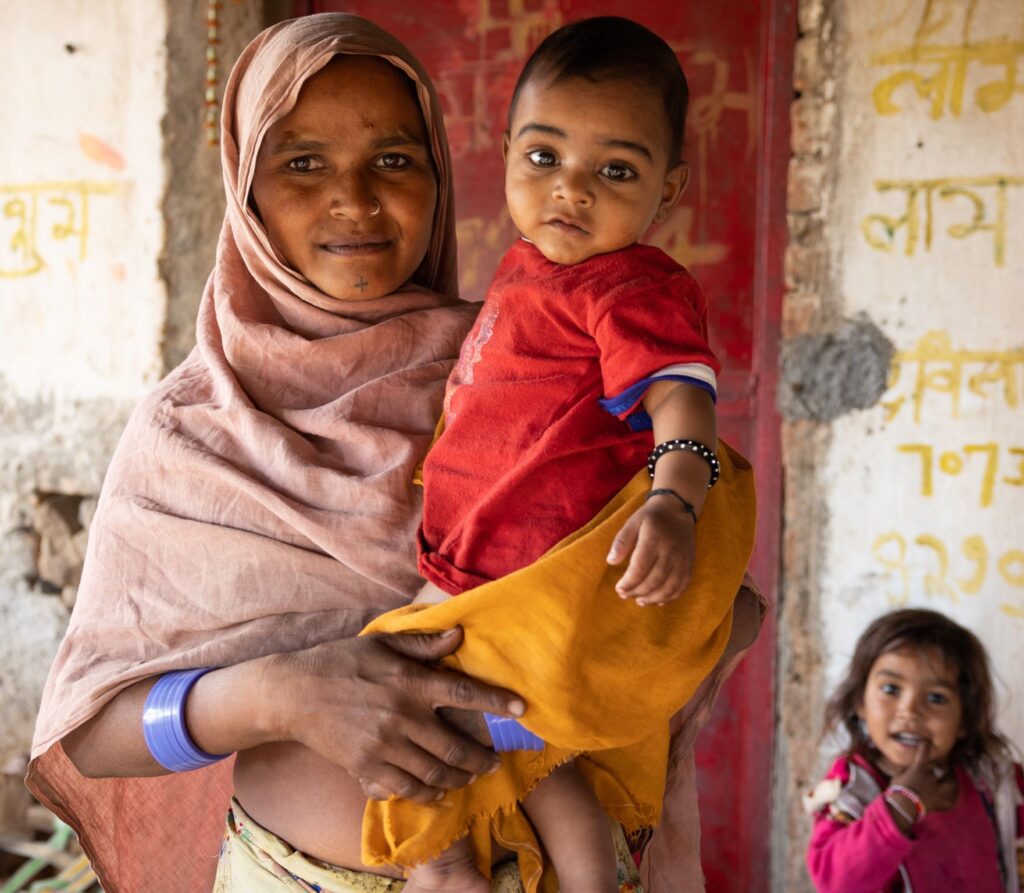
(Postpartum Care in rural Rajasthan – 1) Twenty two year old Bhamri lived alone in a tribal village of southern Rajasthan — her in-laws had died and husband worked in the city, visiting occasionally. After the birth of a daughter, she returned to the village, and had to manage the household alone. She recovered slowly and was often tired. With much work outdoors, she couldn’t breastfeed regularly and her periods resumed within two months. Her husband’s brief visits did little to ease her workload. A few months later, Bhamri started feeling nauseous and consulted the local village practitioner, who confirmed pregnancy and suggested that she get abortion pills from a pharmacy shop. Bhamri panicked and telephoned her husband who strongly opposed the idea. He said that she might die if she took the medicine, and so she continued the pregnancy and delivered a son when her first child was merely 15 months old. Caring for two small children drained her physically and emotionally — household chores became tedious, she’d walked a kilometre to fetch water and was often too tired to cook, and hence skipped meals. Continuous childcare left her exhausted as one baby cried while she tended to the other. Two months later, ARTH’s field worker Meera visited Bhamri as part of the ‘Navneet’ intervention, that aims to ensure better maternal health, nutrition, contraception and mental well-being, while facilitating infant immunization, growth and development. Meera explained how her remaining healthy was vital for the babies’ well-being. She talked about exclusive breastfeeding and contraceptive options. Bhamri consulted her husband and then visited the ARTH Health Centre for a hormonal IUD. The nurse-midwife examined her as per protocol and found that she was anemic (haemoglobin 9 gm%). She provided the hormonal IUD, medication and educated her about local nutritious foods. A few months later, Bhamri’s husband mobilized the resources to take her and their children along with him to live in the city. Postpartum maternal healthcare has lagged far behind infant care – India does not have a formal postpartum care programme that addresses women’s needs. ARTH’s Navneet intervention aims to bridge this gap by piloting a maternal and infant care intervention through the year after delivery, beginning at the birthing facility and scheduling sequential home and facility visits, and call-centre interactions. We hope that women like Bhamri would thereby make healthier recovery after childbirth. Himani Sharma (pa.hs@arth.in)
Mother to Daughter: Better Period Choices
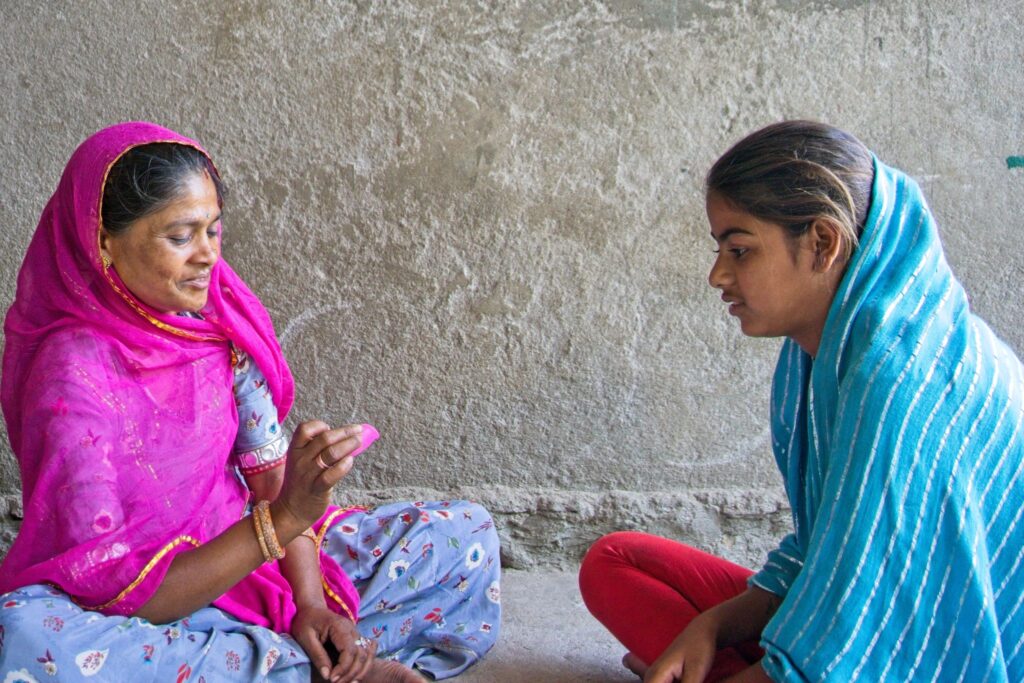
I met Meera, 35, when she was working on her farm in Wadad, a village in Jhadol block of Udaipur district, Rajasthan. She shared her period story, including her struggles with the laal kapda (red cloth) “Using cloth felt like such a hassle. It had to be washed, dried– a real bother.” She found it uncomfortable, hard to clean, and constantly worried about leakage. “I was always tense, checking if the cloth was in position or if it had gotten soaked. Working in the fields during a period was difficult–it felt so uncomfortable.” A few years ago, her daughter received free disposable pads from school, and Meera too tried them out. They didn’t meet her expectation–she had to change them frequently, they caused rash while walking, and disposal was difficult. “Where do you throw pads? How to dispose them? We had to wake up early to burn them in the field– that was not convenient.” A year ago, Ejki, a community health entrepreneur appointed by ARTH, introduced Meera to the menstrual cup. She explained that it was reusable, comfortable, and cheaper in the long run. Initially, Meera was hesitant. The idea of inserting something inside her body felt unfamiliar. But Ejki demonstrated its use with a model, shared her own experience, and assured Meera she could reach out anytime for guidance. Meera finally decided to give it a try. The first two cycles were a learning experience filled with doubts about insertion and removal. “At first, I wondered how to insert this cup. I was scared, thinking, what if it gets stuck inside?” But soon, she realized its convenience. No leakage, no stains, and no itchy rash–just what she wanted. Smiling, she said, “It doesn’t even feel like I am on my periods. I work in the field like on any other day.” A year later, Meera couldn’t imagine going back to her old ways. Her satisfaction was clear when she introduced her 16-year-old daughter to the menstrual cup, buying her a smaller size. With a proud smile, Meera said, “I tried the menstrual cup and found it useful, so I gave one to my daughter too. At first, she was unsure, just like I was, but I wanted her to have a better experience. Now, she finds it easy and comfortable.” Meera is not alone. Since ARTH introduced menstrual cups in Udaipur and Rajsamand in July 2019, over 7,700 women have bought them at a nominal cost. Follow-up shows that 85% of users continued using them. About 10% of purchasers are adolescents, with most having been introduced to the cup by their parents or older female relatives. The National Family Health Survey — 5 (2019-21) reported that a mere 0.3% of women were using menstrual cups. ARTH’s experience suggests that when women have easy access to menstrual cups and receive support and guidance from an experienced user in the initial months, acceptance and satisfaction levels can be high. Gunjan Khorgade (gk@ccr.arth.in)
Stories of Prabal Yatra – Walkers on uneven terrain
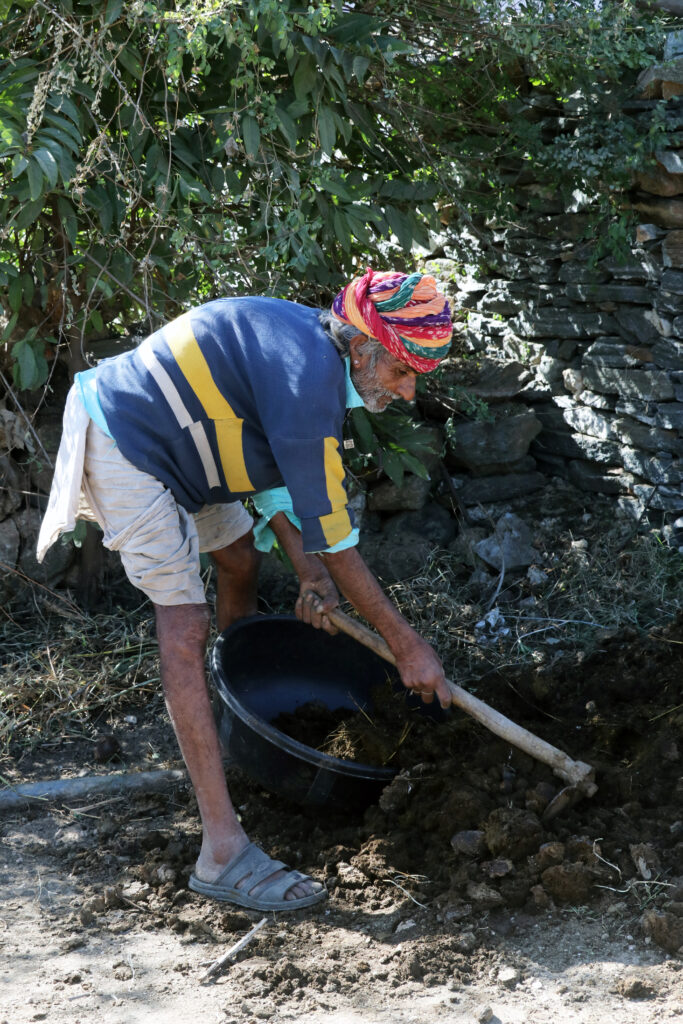
Seventy year old Paari Bai lives with family in a village in Kumbhalgarh block of southern Rajasthan, with farming, rearing animals and wage-labour being the sources of sustenance. Her home and compound has an uneven mud floor. About a decade ago, she injured her leg while farming. Her family took her to the government health centre nearby and to a series of informal providers over the next few months. Many around her including health providers advised going to the ‘bada aspataal’ (big government hospital) in Udaipur for further treatment. Although in pain, Paari was apprehensive, not knowing what would happen there, so she decided to remain at home. While the pain reduced over time, her mobility worsened gradually, till she could move only by dragging herself on the floor with her arms, and walking upright only in places with a wall for support. A few months later Meena, ARTH’s field worker assigned to contact older persons as part of its Prabal Yatra initiative on healthy ageing, met Paari at her home. On conducting a preliminary health assessment, Meena realised that Paari had strength in her arms to be able to hoist herself up and walk with support. On the next visit, Meena provided her with a light-weight, aluminium walker, adjusted it for height and spent an hour coaching her to walk with it. At first Paari struggled, but slowly started to move with ease, even though the walker appeared unwieldy on uneven ground. On a follow up visit, Paari reported that the walker had reduced the daily struggle to move and also, her isolation – she could now walk over to meet her neighbours. Over time, the increased physical activity tired her but also made her hungrier, she now had a better appetite. Paari is now able to do tasks that she earlier struggled with. A recent study by Suriya et al (2024)1 states that consistent use of mobility aids by older persons is inversely proportional to the challenges present in their home environment. Therefore, the use of aids designed primarily for cities, might be difficult in rural areas that have largely uneven or hilly terrain. Since Oct 2023, ARTH has provided 358 single-pronged walking sticks and 18 walkers as part of the Prabal Yatra intervention, demonstrating that mobility aids can be used in such areas providing much needed support for older persons like Paari Bai. We are continuing to learn how walking aids could be better used in our work area. Perhaps the design would need to be tweaked to adjust for uneven floors, for which we should approach a bio-medical engineer… Snehal Sinha (ssinha@ccr.arth.in) and Meena Kunwar 1Identifying Impediments in the Use of Walking Aids among Older Adults in their Home Environment
What to do and what not to do, to save lives
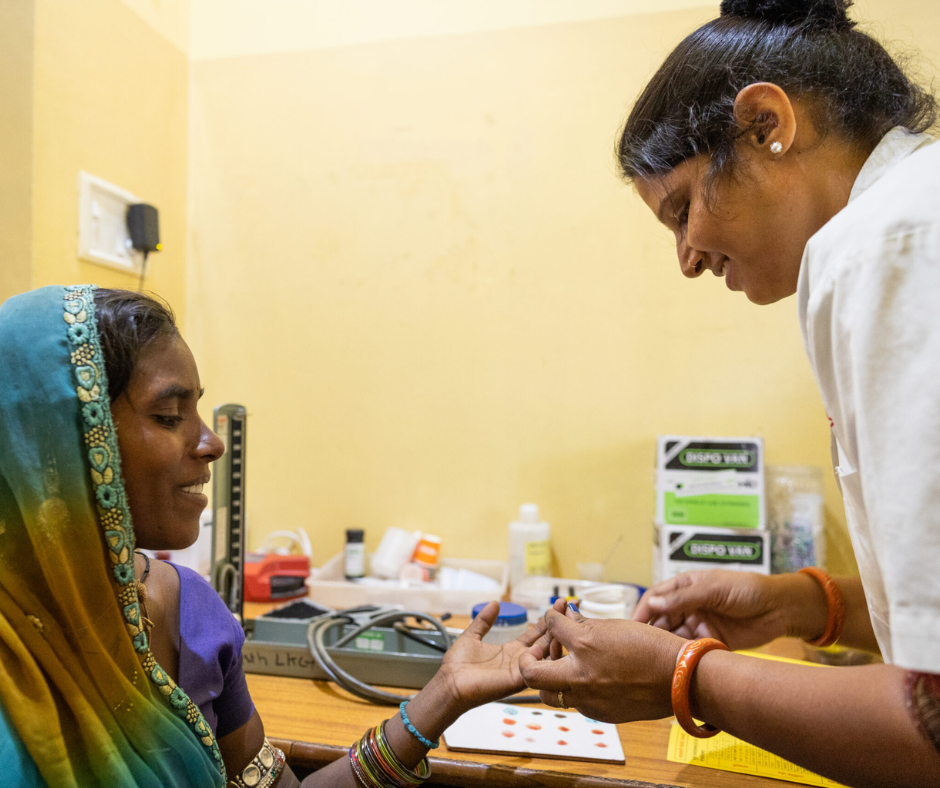
When Ratani, nurse-midwife working at ARTH’s Health Center for the last three years, carried out a pelvic examination, she realized that immediate referral would be necessary. Panki, a 26 year-old woman from a tribal community, had come for delivery. Ratani recalled, “I’d worn my gloves and checked — the baby was in a transverse position. The membrane had ruptured, and there was meconium. It was risky. I could feel the baby’s shoulder below, but the head was not in position.” According to Government of India’s “Guidelines for Antenatal Care and Skilled Attendance at Birth by ANMs/LHVs/SNs” (2010), women with transverse lie should be referred to a first referral unit equipped with facilities for caesarean section. Delay in carrying out caesarean delivery can result in obstructed labour, uterine rupture, and be potentially fatal for the woman and fetus. During her third pregnancy, Panki had returned to her parents’ house in village Chambua-Sarjela. Her husband worked in a factory 45 km away, visiting the family including two young daughters, once or twice a month. When Panki went into labour, her parents took her to ARTH’s Health Centre, where her husband soon joined them. On examining her, Ratani recognized the problem and took a second opinion from a colleague. The baby was in transverse lie — delivery at the health centre would be impossible. “You need to go to the big hospital in Udaipur,” she advised Panki’s father who hesitated, asking if it could be managed there. Ratani explained that the position was risky and the baby was in distress. Understanding the situation, the family agreed. By 12:05 AM, the vehicle arrived and Ratani handed them a detailed referral note. She instructed the family to keep Panki lying down and assured them of ARTH staff support at the hospital. After calling the 24×7 helpline in Udaipur, she went to rest. At the government hospital emergency, doctors confirmed that the baby was in transverse lie. Panki’s father later recalled, “The doctor told us, it is good that you came in time, otherwise, there was a risk of serious complications” A caesarean section was performed within an hour, delivering a healthy girl. A month later, I asked Ratani about that night. She smiled and said, “I had read about such cases in books, but until you actually face them, you don’t truly understand what it means. This was my third encounter with transverse lie. I knew what to do and what not to do. Mother and baby are safe. What more could I have asked for?” A key aspect of ARTH’s Basic Midwifery model, developed in southern Rajasthan since 1999, is the emphasis on timely referral. Nurse-midwives learn to promptly recognize complications and take satisfaction in positive maternal and fetal outcomes, knowing that their referral decisions contribute to timely interventions by emergency hospital teams. They know both what to do and what not to do, to save lives. – Gunjan Khorgade (gk@ccr.arth.in)