
Reproductive & child health centres (1997 onwards)
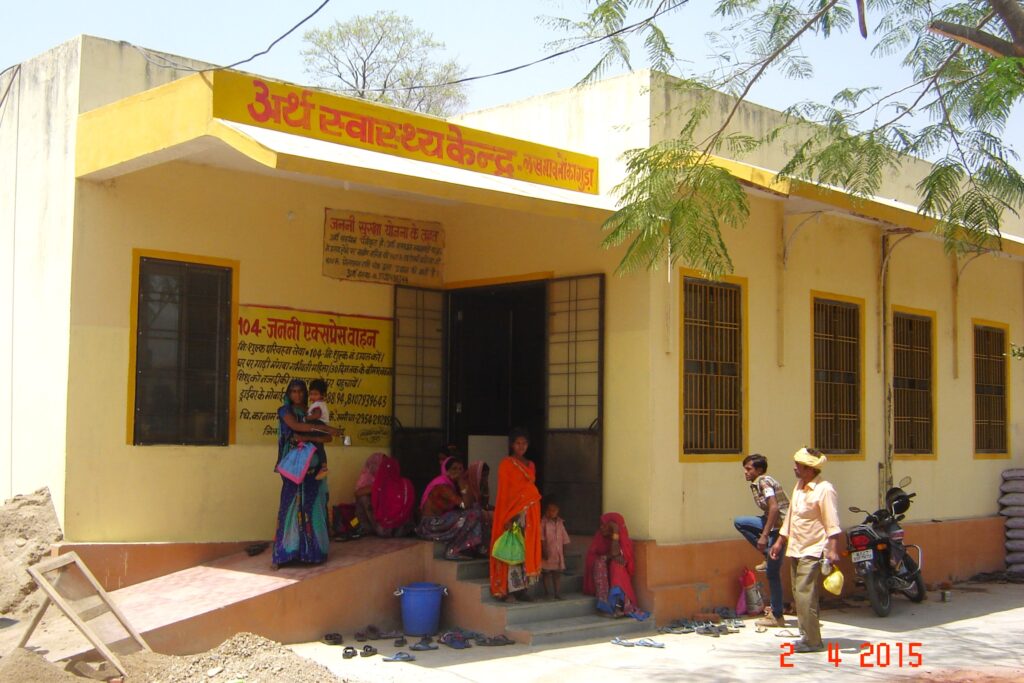
ARTH has been providing RCH services in its field area through three rural health centres at Iswal, Lakmawato ka Guda and Suawaton ka Guda. At Urban health clinic and Paneriyo ki Bhagal Clinic, nurse midwives provide RCH services from 9 am to 5 pm 6 days a week with weekly visits by gynaecologists. At rural health clinics centres, nurse-midwives provide RCH services and emergency services round the clock. A gynaecologist visits the centres once a week. The RCH services provided at the health centres include : ARTH’s trained nurse-midwives use a Basic Model of Midwifery and provide a wide range of maternal-neonatal services and managing complications in the absence of a doctor. An active system of referral (counselling for decision making, arranging transport, accompanying the patient till referral hospital) allows the majority of patients to receive emergency care for complications.
First trimester abortion services (1999 onwards)
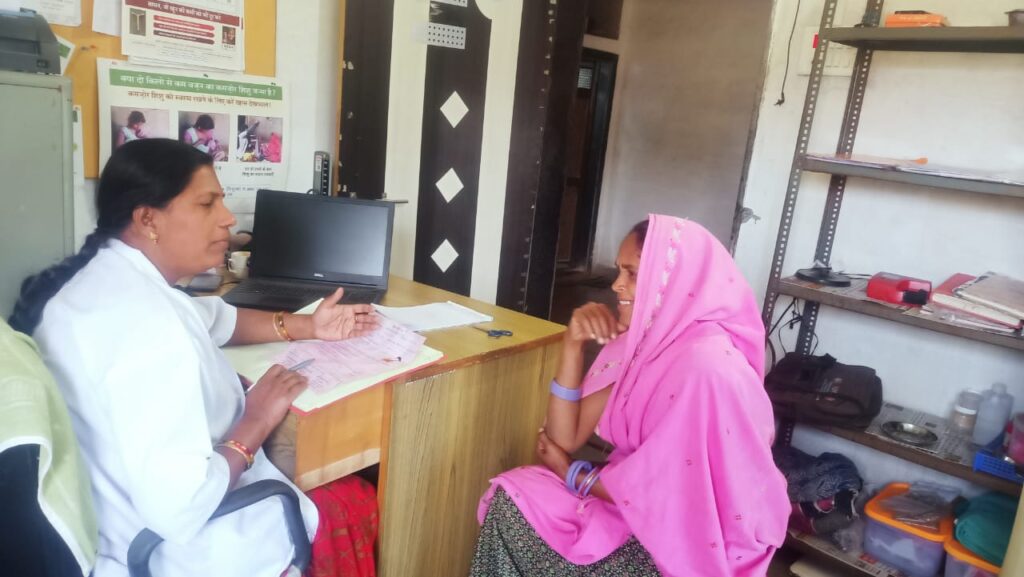
Many women who carried the burden of unwanted pregnancies, went to the informal service providers, often with disastrous consequences. There were no certified abortion facilities in the block when ARTH started its work. Given the need, ARTH decided to start the provision of safe abortion services. ARTH’s clinical facilities were certified by the State Government in December 1999. A gynaecologist visits the centres on fixed days once a week from 10 AM to 4 PM throughout the year. First trimester MTP services are provided during those fixed days using medical abortion drugs. A trained paramedic/nurse midwife acts as a back-up to address post MTP complications, if any. Two nurse midwives have a role in pre-MTP counselling, screening and follow up after the procedure. ARTH’s health centres do not insist that women who seek abortions services bring their husbands or another attendant with them. This is especially crucial to women because of high rates of migration of men from the area. Men visit the villages periodically, and wives often come to know about their pregnancy after the husband has gone back to the city. Till September 2024, ARTH’s centres have provided MTPs to 15,488 women. The proportion of women seeking medical abortion has been steadily increasing over the last few years. The safe abortion services provided by ARTH demonstrate that it is feasible to provide first trimester abortions in rural interiors with a system of visiting doctors and locally resident nurse-midwives, using MVA and/or medical abortion.
Home Care – (2018 – 2021)
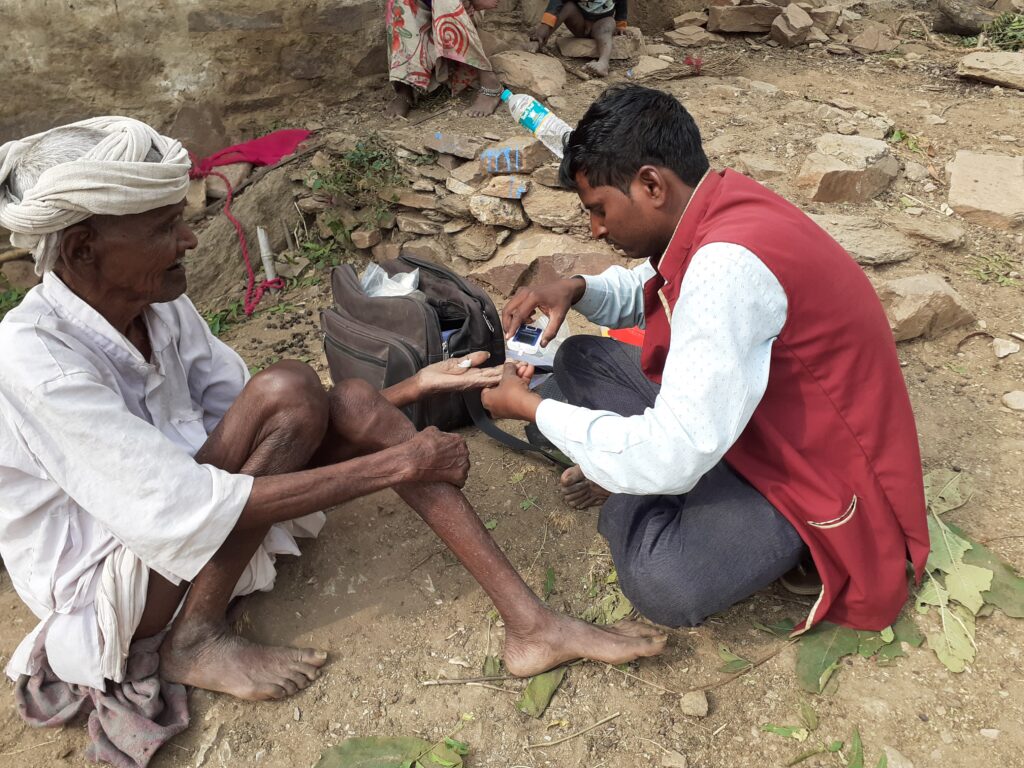
Integrating clinical and home care for mother, infants and introducing services for mental health and care of older persons Overview Home Care was an initiative to provide a continuum of care extending from home to hospitals for rural – tribal women, infants, older persons and persons with psychosocial problems, in over 150,000 population in southern Rajasthan, India. Local youth (men and women) were trained and deployed as Home Care Workers to serve their community. They visited homes, surveyed, screened, identified and/ or provided supervised care using point of care equipment, and referred those needing clinical work up to clinics and hospitals. Programme Details Expected Outcomes Results Over a span of three years, we screened 4,532 older persons. Of these, 3,271 (72%) were identified as having a health problem and were advised referral to a health facility for further treatment. Of those referred, 1,367 (42%) of them went for treatment at least once at an ARTH Camp, clinic, or via telemedicine. A few older persons appeared to be willing to learn about maintenance of their functional abilities, but the larger group was looking for quick solutions to their long-term health problems. Most older persons presented with multiple morbidities and at times required further assessment at a higher centre. We referred and tried to connect them with specialists, but they were reluctant to go due to fear of COVID-19 – families believed that they would be admitted and isolated if they went to district hospitals. Some older persons opted to visit private practitioners in the city or in neighbouring towns. With the advent of COVID-19, we had to pivot in order to provide treatment, especially for those with chronic illnesses. Therefore we started conducting tent-based camps (which could be set up and dismantled in 20 mins), to minimise the risk of indoor infection. We also stopped group mobilisation and started reaching out to individuals, especially those living in remote areas.
Continuum of Maternal-Neonatal-Infant Care (2007-2011)

India used to witness the largest number of maternal deaths in any single country, and within India, Rajasthan had among the highest maternal death rates. The early postpartum period has been recognized to be a time of heightened risk for both mother and newborn. While significant progress has occurred in developing community based approaches for promoting neonatal health, similar attention had not been paid to improving maternal health during the postpartum period. Project Objectives: Strategy/Approach: Progress/Outcomes: The initial results of the study shed light on the terminology used by women to describe their postpartum morbidities and proved useful to further develop communication messages. It also showed that some life threatening morbidities continue to affect women beyond the 42 day period, in the first year after childbirth and hence it was important to provide care for one year after delivery. The study was extended twice beyond its initial 3 years (2006-2009) in order to include further intervention time (2009-2010) as well as to complete an endline survey (2010-2011) and data analysis. Perinatal mortality rates, as mentioned earlier, declined overall throughout the duration of this project and as the intervention continued. While there were many fluctuations up and down when examined by location of delivery, the one exception that has spiked rather than declined has been in the case of home births where the rate dropped from 77.1 in 2008 to 59.1 in 2011 and sprang up again to 104.7 in 2012. Similarly, there was an overall decline in the neonatal mortality rate (including early and late neonatal mortality rates), but only a very small dip (around 1.5%) in the stillbirth rate in the ARTH field area over the course of the project. The timings of postnatal maternal deaths also fluctuated, with a gradual decline in early postpartum maternal death (<24 hours after delivery) by 50%. This is significant because it points to an increase in the amount of time women stayed in the birthing facilities and received more and improved care. Overall, there were positive maternal and neonatal health outcomes as a result of increased reporting of delivery by medical and local informants, and postnatal care by nurse-midwives. Click here for detailed information
Gaon Pas” : Village pregnancy advisory services (2007-2010)

“Gaon Pas” : Village pregnancy advisory services (2007-2010) In July 2007, ARTH introduced village level pregnancy advisory services. This effort utilised the potential of non-medical persons (ASHAs) to increase awareness of and access to reproductive health services to enable women to better manage their own fertility. The key components of the initiative were: Click here for detailed information
Copper-T 380A as an alternative to female sterilization (1999-2004)

One of ARTH’s successful innovations has been the introduction of Copper-T 380A (the “ten year Copper-T”) in the community. ARTH undertook social marketing of 10 year Copper-T as a reversible alternative to sterilization. The Ten year Copper-T is being offered since July 1998, by the gynecologists’ and nurse midwives. The intervention of 10 year Copper T questioned many of the straitjacketed assumptions on adoption of family planning. Some of the key lessons were :
Self-help groups for improving RCH (2003 – 2008)

In 2003, ARTH formed women self-help groups, with the aim of organising communities for improving their access to health care. ARTH formed a total of 105 SHGs in the field area. Using SHGs’ social network as a community health platform, ARTH attempted to enhance people’s access to health care. 5 key strategies to support health care through SHGs were used: