Adolescents’ and young women’s perceptions and care-seeking for menstrual disorders in rural Rajasthan
Menstrual health initiatives have made important progress in addressing hygiene, access to menstrual products, water, sanitation and privacy. But what about the girl who suffers pain each month? Or a young woman experiencing heavy or irregular bleeding? When do they see these as problems that need attention and care, and who do they turn to? These questions are at the core of a qualitative study entitled “Moving Beyond Hygiene: adolescents’ and young women’s perceptions and care-seeking for menstrual disorders in rural Rajasthan” supported by a research grant from Azim Premji University.
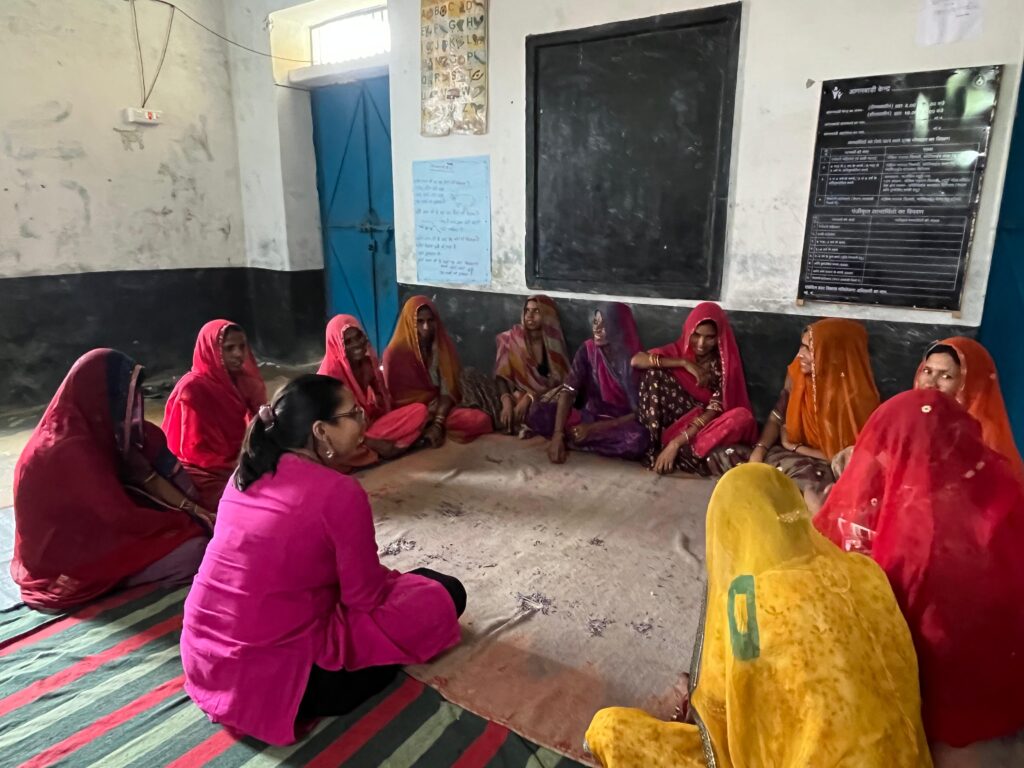
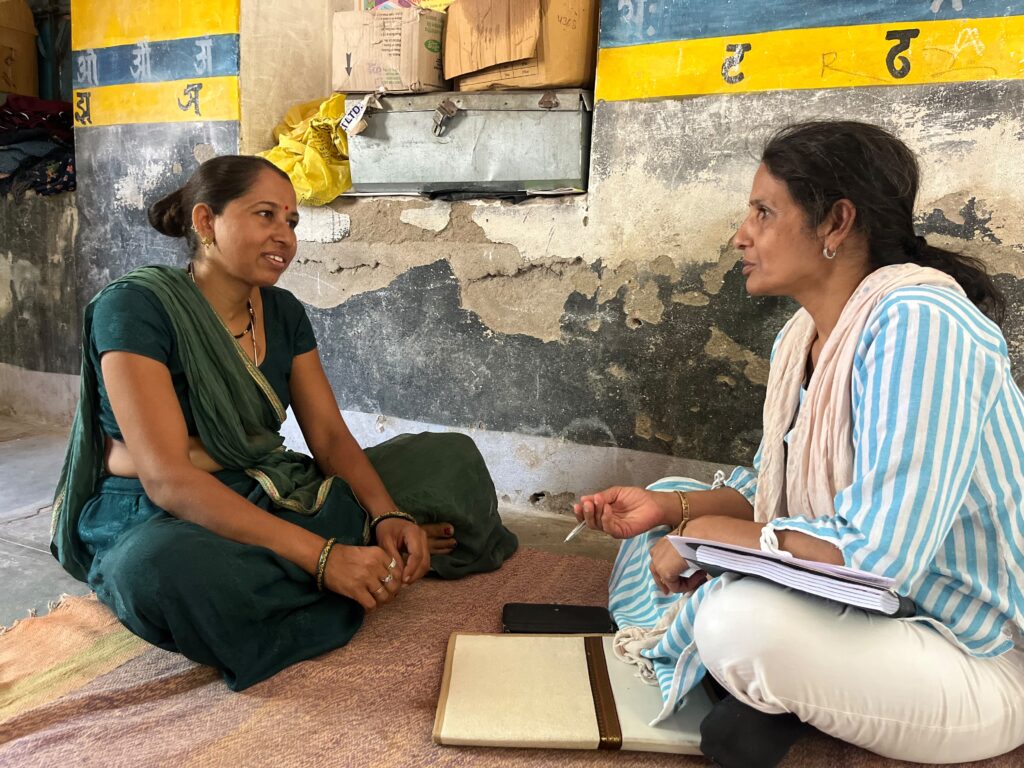
In the villages of Udaipur, we are exploring adolescent girls’ and young women’s experiences of menstrual problems, how they understand normal vs abnormal periods, how they cope with difficult periods, whom they consult, and where they seek care. We are also speaking with those who are often their first point of contact – mothers, teachers, ASHAs, ANMs, anganwadi workers and ARTH’s Community Health Entrepreneurs, to understand how they recognise and respond to menstrual problems.
Through this study, we hope to better understand the experiences, choices and challenges that shape how girls and young women respond to menstrual problems, and what options could be developed, to support them at the community and primary-care levels. We look forward to sharing findings within a few months.