
Introduction
The year after childbirth brings numerous challenges for both women and infants. Women experience physical recovery, manage childcare responsibilities, deal with uncertain fertility patterns, and face economic pressures. Infants, particularly those born with low birth weight, are highly dependent on their caregivers, undergoing rapid growth and development while also facing increased risks of illness and mortality. In rural-tribal communities of Southern Rajasthan, ARTH survey of postpartum women found a significant prevalence of maternal anemia. Postpartum contraception presents further complexities due to unpredictable fertility return and breastfeeding’s impact on contraceptive safety. Current efforts focus mainly on providing long-acting methods like Copper-T immediately after childbirth. Additionally, postpartum depression affects many women, with 15.8% of those studied by ARTH experiencing it within 6–8 weeks of delivery. To address these gaps in postpartum care, ARTH introduced the Navneet intervention with the goal to improve the health outcomes of both mothers and infants in these rural communities.
Objectives of the intervention::
- To improve health and well being of women in the year after delivery with focus on nutrition, return of fertility and mental health in rural-tribal communities of southern Rajasthan
- To improve survival and health outcomes of low birth weight newborn in rural-tribal communities of southern Rajasthan
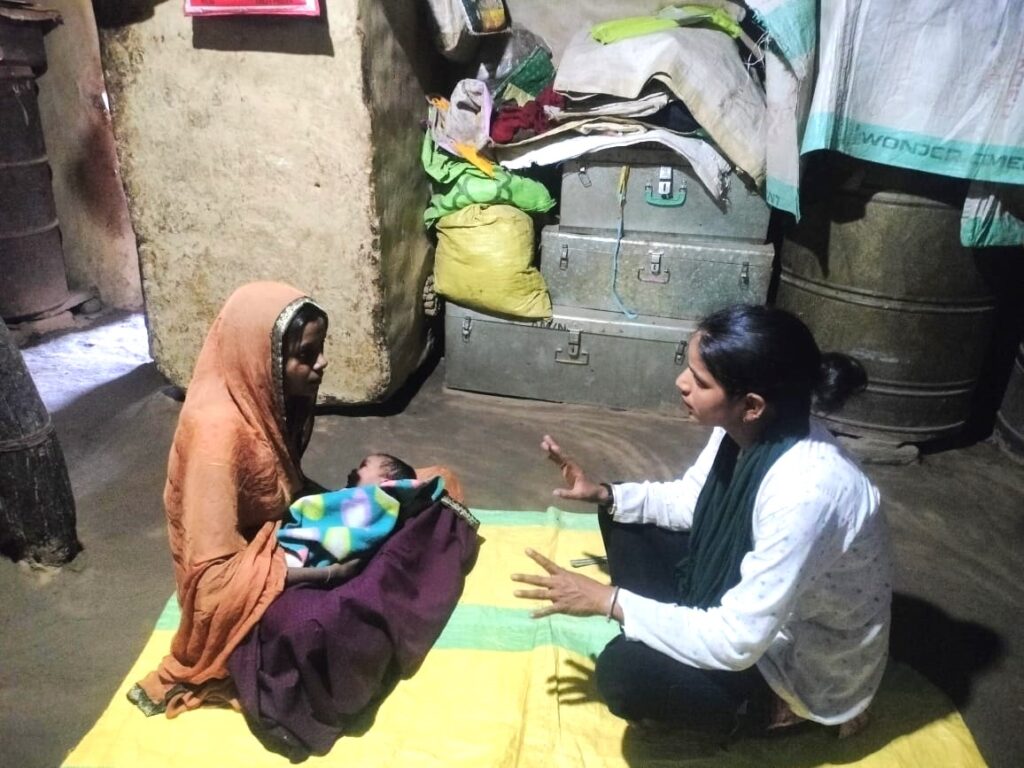
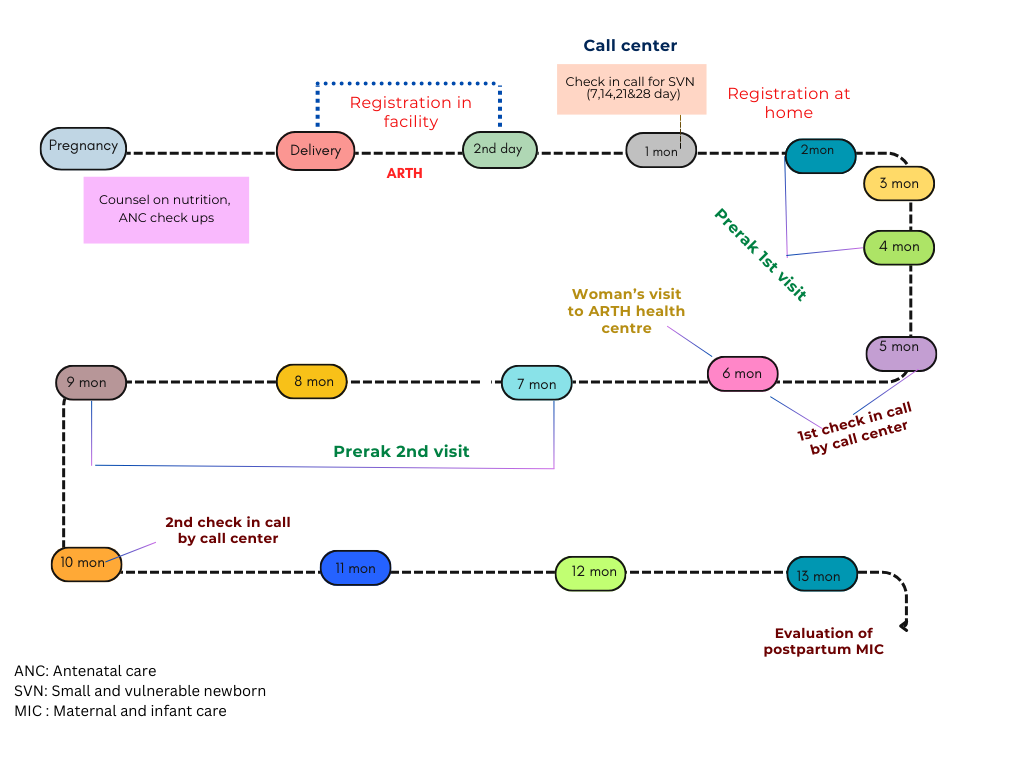
The Navneet Intervention is being implemented in 4 blocks of Ud aipur and Rajsamand districts, with an estimated population of 5 lakhs, focusing on rural-tribal communities of Southern Rajasthan. The intervention follows a continuum of care model, extending from pregnancy through to one year postpartum. It involves multiple interactions with women during the postpartum period, including home visits by community mobilizers, phone calls from call center counselors, and subsidized routine clinic visits. The intervention focuses on following key areas:
- Nutrition and anemia management
- Contraceptive options
- Postpartum morbidities
- Infant care
- Mental health
Key activities
- Enrolling women in the Navneet intervention during the postpartum phase, with each woman assigned a unique ID to track progress over the course of the year.
- Meeting women twice during the postpartum period (2–4 months and 7–9 months) for brief assessments and to provide essential health information through community mobilizers.
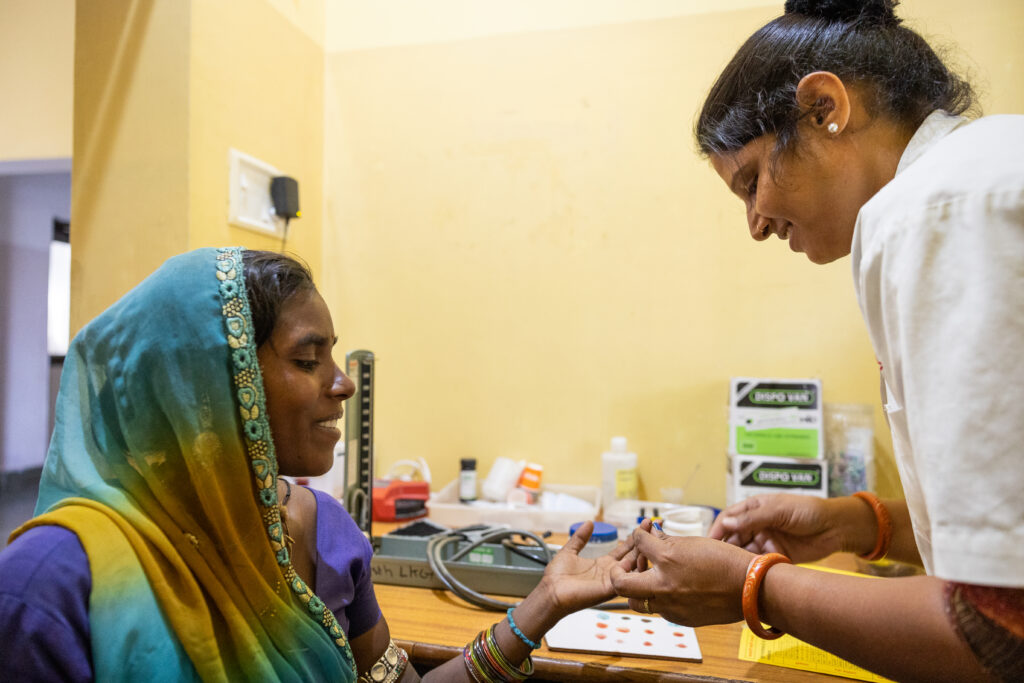
- Connecting postpartum women with a Community Health Entrepreneur or Taruni Sakhi in the village, who in turn will offer information and distribute contr aceptives.
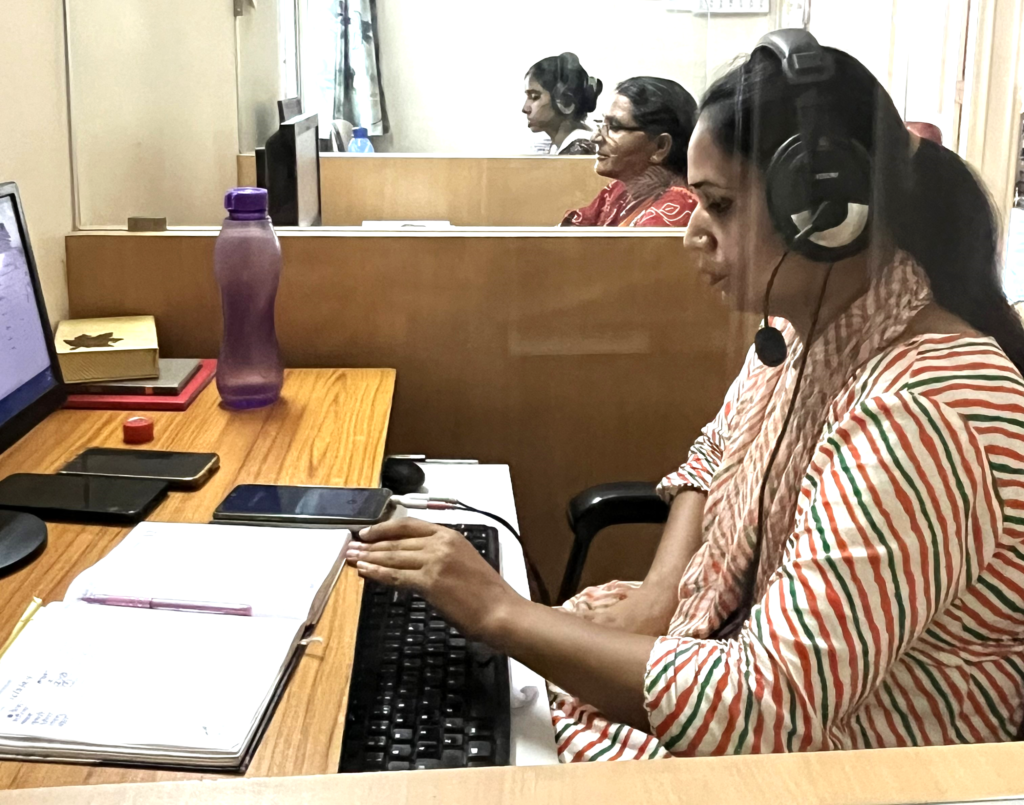
- Follow-up calls by call center counselors to women during the postpartum period, providing information on contraceptive options, support, care, and referrals as needed. Additionally, check-in calls will be made to families of low birth weight newborns born within the first month to offer education and support on newborn care.
- Encouraging women to attend at least one routine clinical health check-up within the first year after delivery
Timeline:
Results:
| No. of villages covered | 247 |
| Estimated population | 314,602 |
| No of births/thousand (@20/yr) | 6292 |
| No. of women registered | 4094 (65.1%) |
| No. of women contacted at least once after delivery | 3286 (80.3%) |