
ARTH in partnership with UNFPA and Department of Medical, Health and Family Welfare, Government of Rajasthan worked to strengthen pre-service education for nursing and midwifery cadres in 5 districts of Udaipur zone in the state of Rajasthan. The project covers 5 ANM and 2 GNM training centres at Banswara, Dungarpur, Chittorgarh, Rajsamand and Udaipur and aimed to improve the educational and clinical skills of nursing faculties of ANM/GNM training centres and strengthen attached clinical practice site by upgrading the clinical training capacity of the service providers. ARTH named the initiative as “Kushal project”, meaning a project to improve training and clinical skills.
A Quality Improvement (QI) team conducted the baseline survey covering 5 broad areas viz.
- Classroom & Practical Instructions
- Clinical Instruction & Practice
- School Infrastructure & Training Materials
- School Management and
- Clinical Site Practices
This was done according to allotted standards and gaps were identified within the training facilities. After identification of gaps, separate action plans were developed at the three levels viz. school, district and state level.
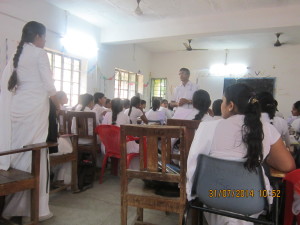
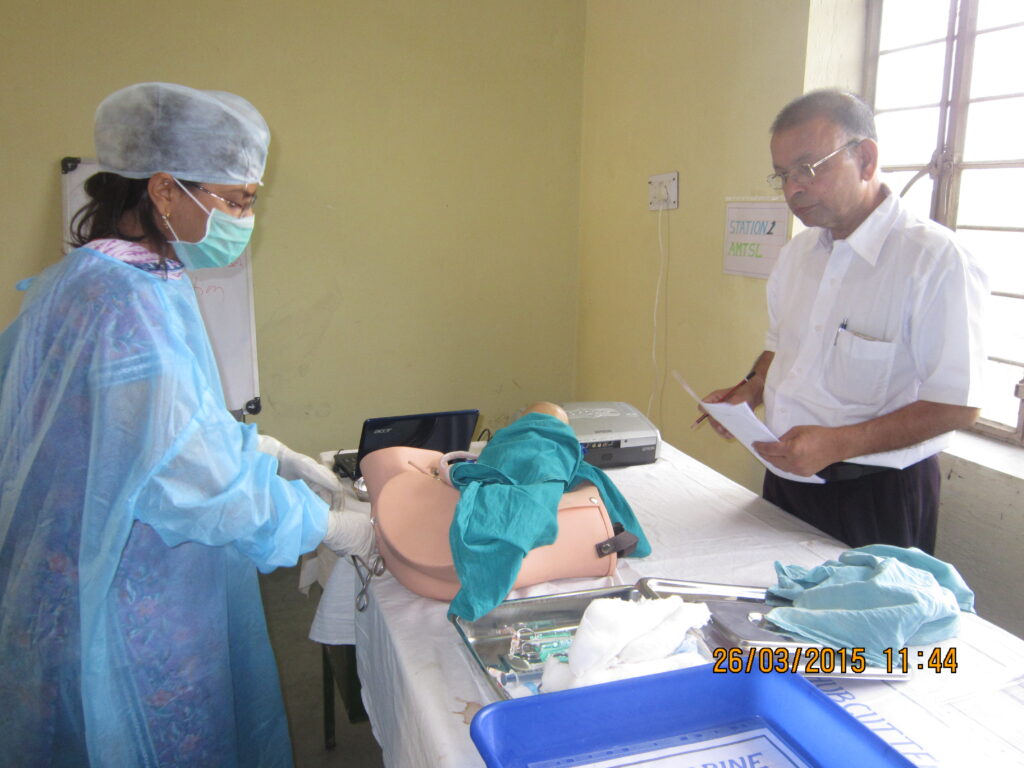
Results:
- Orientation workshop of ANM and GNM faculties of 5 districts of Udaipur zone
- Baseline assessment based on GOI guidelines for strengthening pre-service education for the nursing midwifery cadre in 5 districts of Udaipur zone
- Final gap analysis report of 5 ANMTCs and 2 GNMTCs.
- Action plan developed in consultation with District Health Officers and Principal of training centres.
- Regular monitoring visits undertaken to ANM and GNM training centres.
- District level review meetings conducted every quarter starting from 2014.
- District level review meeting held in 2014 for discussion to fulfill minimum requirements of ANM & GNMTCs along with gap analysis review report.
- On-site orientation training on evidence based practices organized for service providers and tutors.
The project findings indicated marked improvement in the teaching methodology with improved infrastructure in terms of skill-labs, computer labs and library facilities. Additionally clinical practices in service sites showed considerable improvement followed by better maintenance of records both at the teaching and non-teaching levels.
