
A study was conducted in five blocks across 2 districts of southern Rajasthan to estimate the prevalence of stunting, wasting, and those underweight among rural preschool children (0-35 months) and to compare the degree of stunting among beneficiaries and non-beneficiaries of ICDS supplementary nutrition.
The study found that protein malnutrition was highly prevalent among rural children aged less than three years, as evidenced by high levels of wasting (19.4%), stunting (53.8%), and underweight (53.8%). It appears that a major reason for malnutrition among children under 3 years of age is difficulty in weaning. The finding that babies born at close birth intervals of less than 3 years were stunted, underscores that malnutrition may be a consequence of high and uncontrolled fertility in the area. There was no significant difference found in the prevalence of wasting or stunting between beneficiaries and non-beneficiaries of ICDS programmes.
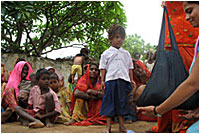
16.8% of children aged 6 to 35 months received supplementary food from the anganwadis, which was only 43.1% of the maximum children that could have been targeted by the programme. Children born in scheduled tribes and scheduled caste households were significantly more malnourished than those born to other castes. The further a child lived from the Anganwadi, the less likely it was to receive the food supplement. Low level of routine contact with health care providers made it less likely that early malnutrition in children could be detected and treated by such providers.