

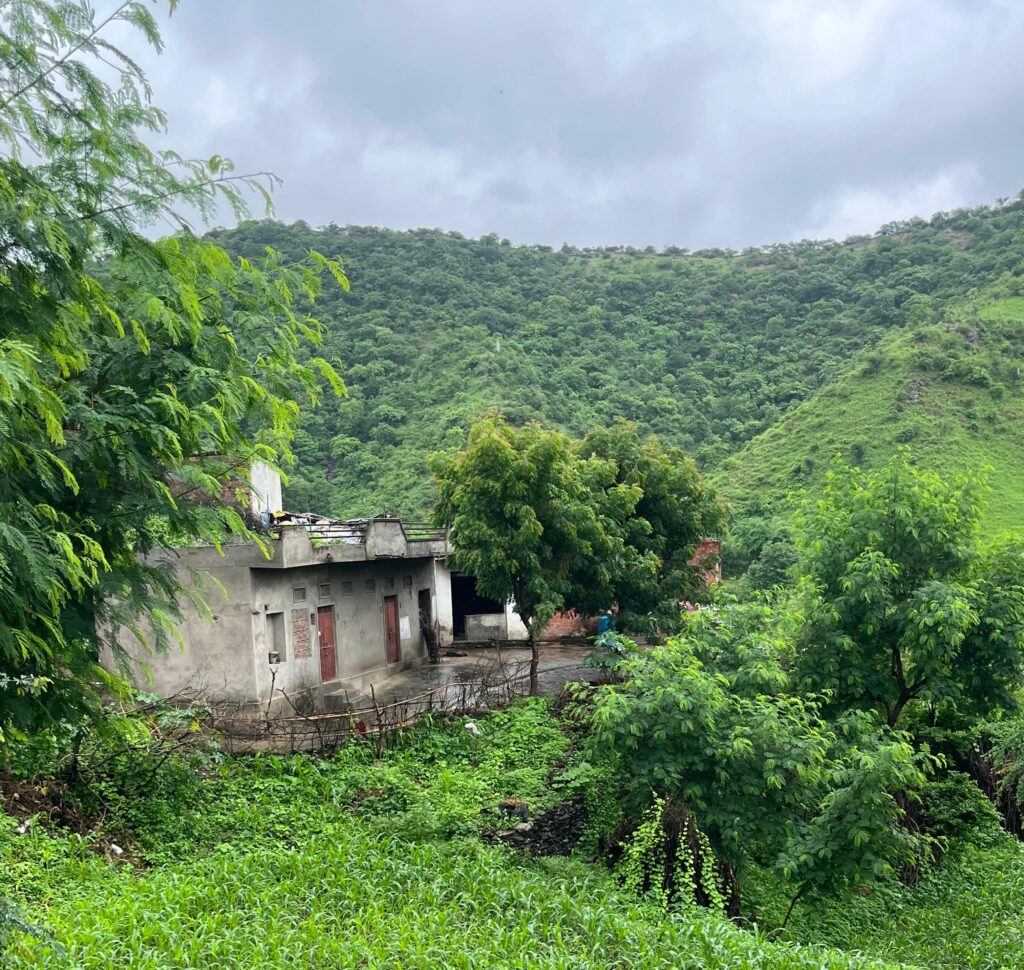
I met Vimala (20 years) at home, where she lived with her parents in a village of Udaipur district. She looked weak and exhausted — it was visibly difficult for her to even get up, so I went and sat beside her. Speaking softly, she told me about her last period that had lasted 13 days. Bleeding was very heavy from the first week — she’d used up to two 6-pad packs of sanitary napkins per day. At night she would keep waking up to change pads. With abdominal pain and backache adding to this, some nights left her in tears. “Didi (sister), I kept bleeding continuously. One night I used three packets of pads.”. In the first week her mother took her to an informal provider who ran a saline drip and gave her some tablets. The family spent Rs 2000, but there was little improvement. By the eighth day she noticed clots and panicked. At the government health centre 8 km away, tests showed that her hemoglobin was down to 4.7 g/dL. Medication reduced the bleeding, but she still feels weak, enduring pain, headache and dizziness.
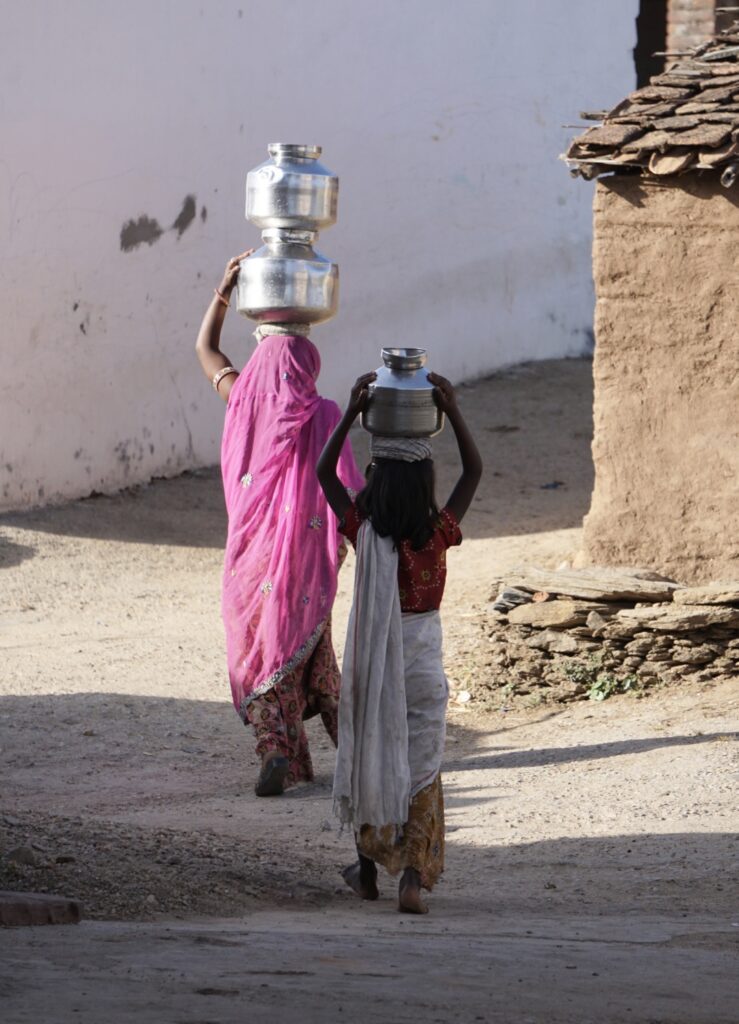
A day later, 50 km away in a village of adjacent Rajsamand district, I met 20 year old Kanku. Her periods had earlier been regular, but two years later there was pain that progressively became severe. She endured it over months, resting to cope, unable to cook, fetch water, or carry out daily chores. With downcast eyes, she said, “The pain becomes so severe that I cannot stand. I just lie down the whole day.” I asked her how she had endured it for so long. She said, “I told my husband and mother-in-law. She said it was normal to have pain during periods and nothing to worry about, so I remained quiet”. A few months later, the pain became unbearable and one day, Kanku fainted. The family rushed her to the district hospital, where hemoglobin was found to be very low – she was admitted there for 8-10 days. After discharge, her family additionally took her to a traditional healer.
Perusing ARTH’s call-centre records, I realized that such stories are not rare. In the above instances, one girl bled for days till she could barely stand, another collapsed from pain dismissed as “normal” by the family. Both reached a health facility only when their condition became severe. What they faced, is part of a larger reality: menstrual disorders are widely prevalent among adolescents and young women in India. A national survey of 6,715 adolescent girls across 16 states shows that 62% reported menstrual problems, of whom 90% had abdominal or back pain, 26% experienced distress and 21% had heavy bleeding (https://doi.org/10.1515/ijamh-2024-0101). A systematic review covering rural and tribal India found dysmenorrhea (55%), irregular menstruation (26.2%), and premenstrual syndrome (47.8%) to be the commonest menstrual disorders among adolescent girls (https://doi.org/10.18778/1898-6773.87.4.01).
Going beyond pain and discomfort, heavy menstrual bleeding (HMB) is a leading trigger of cellular iron-deficiency and iron-deficiency anemia, with the latter affecting 57% of women (https://dhsprogram.com/pubs/pdf/FR375/FR375.pdf). FIGO has highlighted that despite high prevalence, HMB is frequently normalised by women and health care providers, leading to a lack of care (http://www.figo.org/resources/figo-statements/iron-deficiency-and-anaemia-women-and-girls). Clearly, menstrual disorders do have a larger public health impact. However, the competence for treating them is currently concentrated among medical specialists who tend to be located far from women living in villages. At the primary care level, where women like Vimala and Kanku first seek help, doctors, nurse-midwives and frontline staff are inadequately trained and equipped to address menstrual disorders. And yet, while medical treatment is important for severe cases, menstrual health should not be seen solely from a clinical lens. Given that it spans across from well-being to potential illness, young women, their families and first responders (frontline health workers, teachers) need to be aware of the normality of menses and be able to practice or advise self-care as a preventive measure.
Isn’t it time we moved beyond prioritizing women’s health only in the context of pregnancy, to include menstrual health as part of primary care?
Gunjan Khorgade (gk@ccr.arth.in)